How to avoid bankruptcy of an individual entrepreneur and save your business

In the current economic situation, there is increasingly a need to liquidate unprofitable enterprises and individual entrepreneurs. To solve this problem, a bankruptcy procedure is used, which allows you to settle financial obligations and prevent further deterioration of the financial situation.
Contents of the article:
Bankruptcy of an individual entrepreneur is a complex and multifaceted process that is carried out in accordance with bankruptcy legislation. The main purpose of this procedure is to protect the interests of creditors and restore the solvency of an enterprise or individual entrepreneur.

The bankruptcy procedure includes a number of stages, starting with filing an application to declare an enterprise or individual entrepreneur bankrupt and ending with the liquidation of property and the distribution of funds received among creditors. The entire process is controlled by supervisory authorities and courts, which ensures the legality and fairness of the procedure.

What is bankruptcy of an individual entrepreneur?
Concept and basic principles
To liquidate unprofitable enterprises (insolvent) and individual entrepreneurs, the bankruptcy procedure is used. This is a special legal procedure that allows organizations and individuals who are unable to meet their financial obligations to cease their activities and resolve issues with debt repayment.
The basic principles of bankruptcy proceedings include:
1.The principle of equal satisfaction of creditors’ claims. During the bankruptcy process, all creditors have the right to equal participation in the distribution of the debtor’s property.2.The principle of priority of requirements. Some categories of creditors have a priority right to satisfaction of their claims over other creditors.3.The principle of preserving the enterprise. If possible and appropriate, the enterprise may be preserved and transferred to the management of a third party for the purpose of its further development and restoration.4.The principle of judicial control. The entire bankruptcy process is carried out under the supervision of the court, which considers and makes decisions on the main issues of the procedure.5.The principle of transparency and awareness. All interested parties must have access to information about the bankruptcy process, including debts, assets, and other relevant facts.
All these principles are aimed at ensuring a fair and effective solution to the problem of bankruptcy and protecting the interests of all parties – the debtor, creditors and the state.
Individual entrepreneur bankruptcy procedure
To liquidate unprofitable enterprises (insolvent) and individual entrepreneurs, the bankruptcy procedure is used. This is a special procedure that allows you to establish the fact of insolvency and carry out the process of liquidation or reorganization of the enterprise.
Procedure bankruptcy of individual entrepreneurs begins with filing an application to the arbitration court to declare an individual entrepreneur bankrupt. After this, the court appoints a temporary manager, who checks the financial condition of the individual entrepreneur and determines further actions.
During the bankruptcy procedure for individual entrepreneurs, the following measures can be taken:
- Sale of property of individual entrepreneurs to satisfy the claims of creditors.
- Liquidation of an individual entrepreneur in the absence of any property.
- Reorganization of individual entrepreneurs in order to restore its solvency.
During the bankruptcy process of an individual entrepreneur, creditors have the right to present their claims and participate in the distribution of property. They can also take part in voting on issues of liquidation or reorganization of the enterprise.
The bankruptcy procedure for individual entrepreneurs is a complex and multi-stage process that requires careful study of the legislation and compliance with all established rules and requirements. If the procedure is performed incorrectly, serious consequences may arise for the individual entrepreneur.

Stages and features
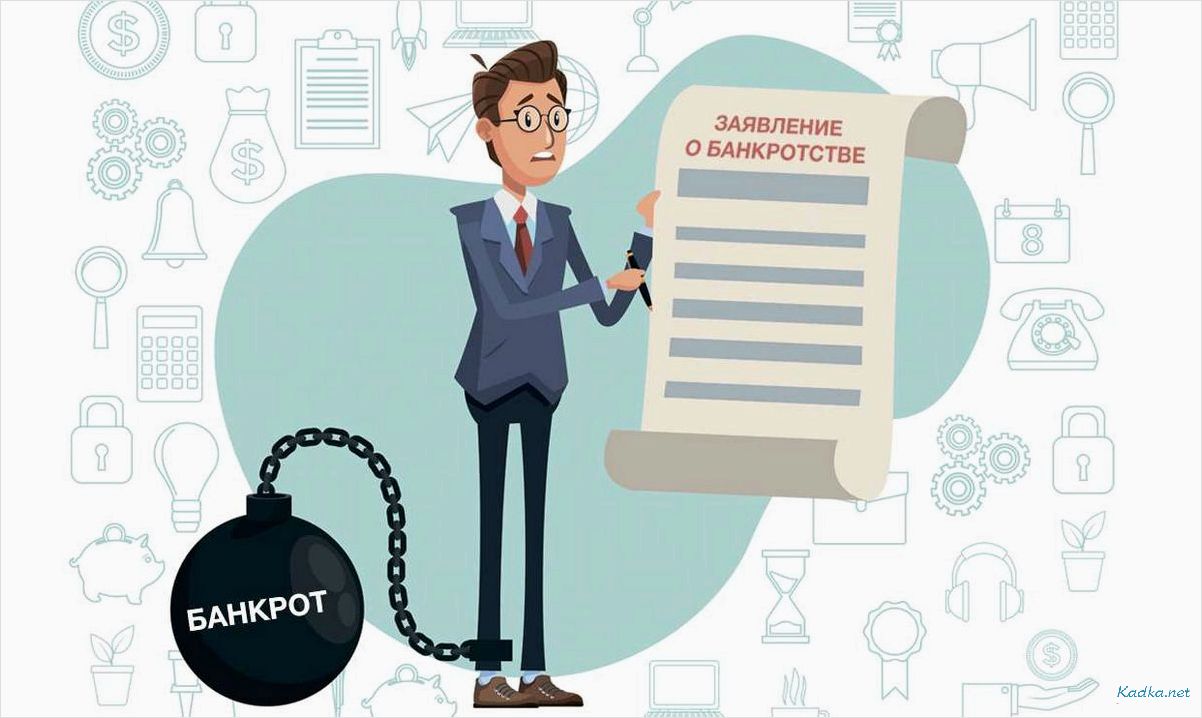
To liquidate unprofitable enterprises (insolvent) and individual entrepreneurs, the bankruptcy procedure is used. This procedure consists of several stages, each of which has its own characteristics.
Stages of the bankruptcy procedure:
- Declaration of bankruptcy. The owner of an enterprise or individual entrepreneur applies to the arbitration court with an application to declare himself bankrupt.
- Appointment of a temporary manager. The court appoints a temporary manager, who analyzes the financial condition of the enterprise and develops an action plan.
- External control procedure. The interim manager manages the enterprise, takes measures to stabilize the financial situation and develops a restructuring plan.
- Sale of assets. If the restructuring does not lead to positive results, the assets of the enterprise are sold to pay off debts to creditors.
- Liquidation of the enterprise. If it is impossible to sell assets or there are insufficient funds to pay off debts, the company is liquidated.
Features of the bankruptcy procedure:
The bankruptcy procedure has its own characteristics that must be taken into account when liquidating unprofitable enterprises or individual entrepreneurs:
1.Bankruptcy proceedings can be initiated by both the debtor and creditors.2.Bankruptcy can only be declared by an arbitration court.3.The bankruptcy process involves various parties, including the debtor, creditors, the interim trustee and the arbitration court.4.Declaring a debtor bankrupt may entail a ban on business activities.5.The bankruptcy procedure is aimed at protecting the interests of creditors and ensuring the maximum possible repayment of debts.
Consequences of bankruptcy of individual entrepreneurs
The bankruptcy procedure is used to liquidate unprofitable enterprises (insolvent) and individual entrepreneurs. It includes a number of consequences, both for the individual entrepreneur himself and for his creditors, partners and employees.
Consequences for an individual entrepreneur:
- Loss of control over your assets and business;
- Limitation of the opportunity to engage in entrepreneurial activity;
- Loss of reputation and trust from partners and clients;
- Loss of personal property due to insufficient funds to satisfy creditor claims.
Consequences for creditors and partners:
- Receiving partial compensation or loss of debt in case of insolvency of the individual entrepreneur;
- Complicating the possibility of obtaining new loans and cooperation with other entrepreneurs due to the risk of insolvency;
- The need to conduct litigation to protect your rights and interests;
- Loss of trust in individual entrepreneurs in general.
Consequences for employees:
- Threat of dismissal due to instability and insolvency of the enterprise;
- Inability to receive wages and other social benefits;
- Uncertainty about future employment and the search for a new job;
- Loss of trust in employers and individual entrepreneurs in general.
In general, the bankruptcy procedure for individual entrepreneurs has serious consequences for all interested parties and can significantly affect their financial condition, reputation and opportunities for future business activities.