How to Properly Organize Medical Kits and First Aid Supplies for Different Situations and Conditions
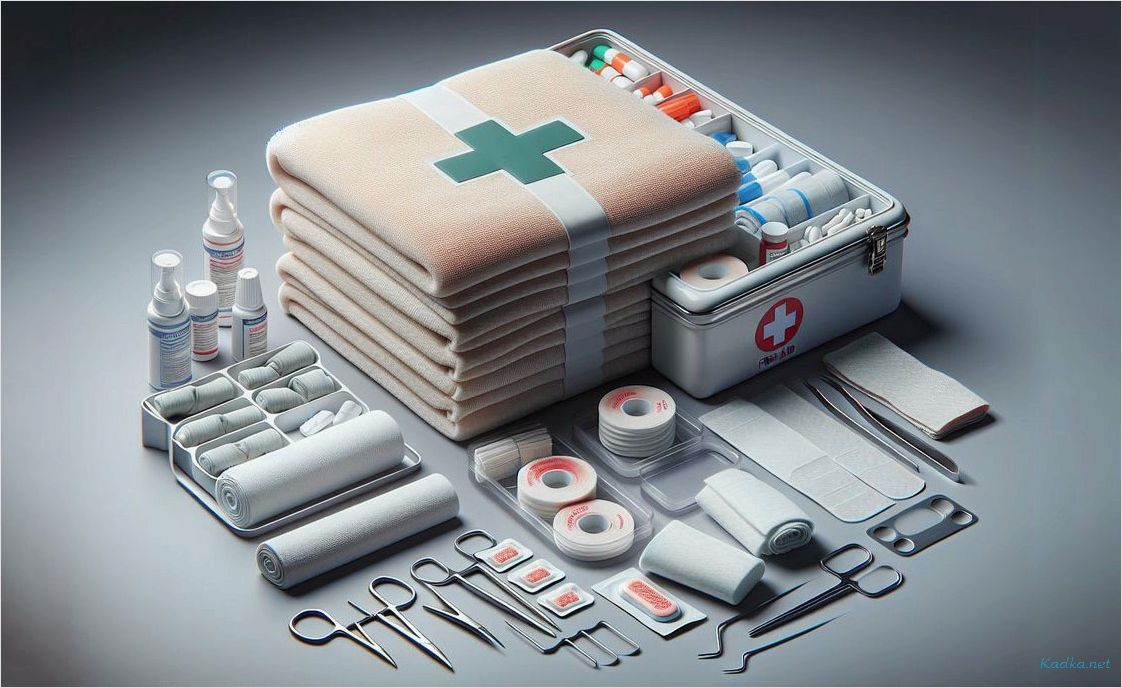
A trauma kit is designed to provide first aid for complex injuries, fractures, and damage to the musculoskeletal system. It is important to have such a kit on hand both in your home first-aid kit and when traveling, so you can quickly stabilize injuries and prevent complications before a doctor arrives.
Article contents:
for home use, it is recommended to assemble a first-aid kit based on your family’s specific needs: the presence of children, elderly relatives, or chronic conditions. The kit typically includes bandages, antiseptics, adhesive bandages in various sizes, syringes, as well as a trauma kit with splints, tourniquets, and pain relievers.
When traveling, it is important to choose a compact and lightweight first-aid kit that contains the necessary medications and tools for a quick response to injuries and emergencies. The optimal kit includes bandages, antiseptics, disinfectants, as well as a minimal set for immobilization, which makes the trauma kit a key element.
How to Choose a Home First-Aid Kit Based on Common Injuries and Illnesses
When selecting a first-aid kit for home use, consider the most likely scenarios: cuts, burns, bruises, and flare-ups of chronic conditions. The best solution is a trauma kit , which includes supplies for rapid wound treatment, immobilizing bandages, and splints for immobilizing injured limbs.
Add antiseptics in various forms—solutions, sprays, and wipes—to speed up disinfection for different types of wounds. Make sure the kit includes sterile gauze and antibacterial dressings, bandages of various widths, adhesive bandages, and hydrocolloid-coated bandages to accelerate healing.
Include fever-reducing and pain-relieving medications suitable for the whole family, as well as allergy relief medications. If any household members have chronic conditions, ensure you have the necessary medications and supplies to manage their condition.

Pay special attention to first-aid supplies for musculoskeletal injuries: elastic bandages, immobilizing bandages, snap splints, and pneumatic splints. Having these supplies on hand will help quickly stabilize the patient’s condition and prevent complications before medical personnel arrive.
Regularly check the expiration dates of medications and the sterility of supplies, and restock the kit after use. Keep the kit in a convenient and accessible place so you don’t waste time searching for necessary items in an emergency.
Travel First Aid Kit Contents: Essential Supplies for Different Conditions and Countries
When traveling, be sure to include versatile medications and supplies in your first aid kit, taking into account the climate and remoteness of the area. The first-aid kit should include sterile bandages of various sizes, adhesive bandages, antiseptic wipes, and safety scissors. Add elastic bandages and support bandages to provide joint support and quick immobilization in case of injury.
In areas with a high risk of insect bites, it is advisable to bring insect repellents and allergy medications: antihistamines, as well as creams with an anti-itch effect. If you are traveling to a hot climate, pack fever reducers and medications to restore fluid and electrolyte balance, such as an oral rehydration solution.
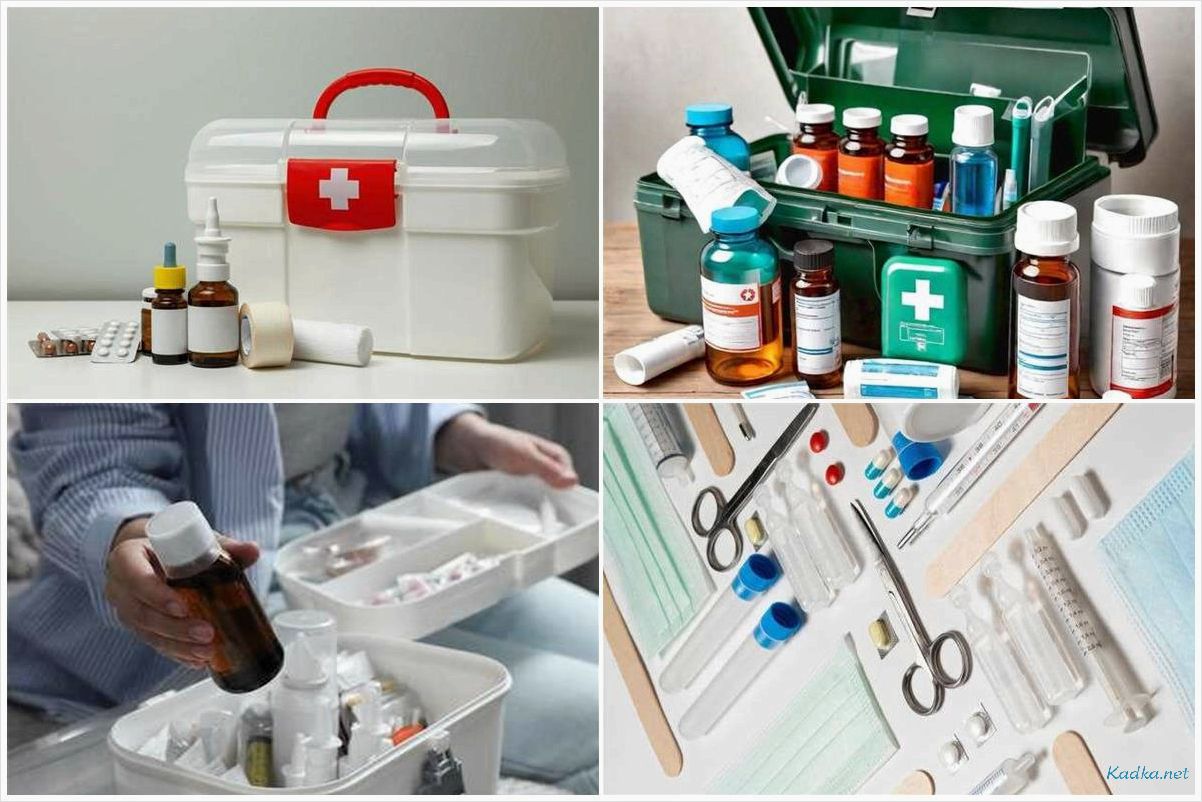
When traveling abroad, be aware of specific medical requirements and local diseases. In some countries, broad-spectrum antibiotics, chlorhexidine-based antiseptics, and remedies for gastrointestinal disorders—such as sorbents and medications to restore gut flora—will come in handy. Don’t forget cold medicine and oral antiseptics, which can help if you feel unwell or develop a local infection.
If you’re planning an active vacation or a hike, expand your first-aid kit with items for treating burns, frostbite, and acute pain—such as analgesics and anti-inflammatory ointments. Add a thermometer, medical gloves, and personal hygiene items.
For storage, choose a waterproof, compact container with transparent compartments. Be sure to check the expiration dates of your medications and follow the rules for transporting medical supplies on flights. A first-aid kit prepared in this way will help you stay healthy in any situation and ensure prompt assistance in case of injuries or illnesses.
Guidelines for Storing and Replenishing First Aid Kits at Home and While Traveling
Store your first-aid kit in a dry, cool place, protected from direct sunlight and extreme temperature fluctuations. This preserves the properties of the medications and the sterility of the bandages. Avoid damp areas to prevent mold growth and damage to the contents.
Regularly check the expiration dates of medications and supplies. Mark the date of the last check on the packaging or a separate card. Discard expired items immediately: replace them with equivalents from a pharmacy and record the new check dates.
For convenience and quick access, organize the contents of the kit into categories: antiseptics, bandages, and medications for pain relief and allergies. In a travel first-aid kit, also designate a section for emergency medications, taking into account any specific risks in the region you are visiting.
Replenish the kit after each use or at least once every six months. When doing so, check not only the expiration dates but also the integrity of the packaging and the sterility of the gauze bandages. Replace damaged containers and securely pack small items in separate transparent containers.
Keep the first-aid kit out of the reach of children but within easy reach of adults, especially when using it at home. When traveling, secure the kit in a backpack or luggage compartment where it will not be subject to physical damage or exposure to moisture.