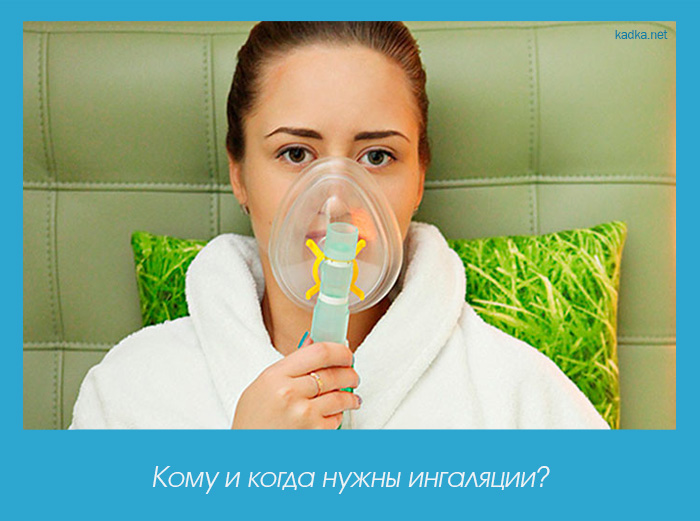
Who needs inhalation therapy, and when?
n?
respiratory diseases are among the most common conditions worldwide. They affect the respiratory tract, including the bronchi, nasal passages, and lungs. According to WHO data, up to 600,000 people die each year from respiratory diseases associated solely with seasonal influenza.
Respiratory diseases can be acute, such as pneumonia or bronchitis, or they can become chronic conditions, such as asthma or COPD. Hundreds of millions of people suffer from chronic respiratory diseases.
We have long been accustomed to viewing acute respiratory infections as something ordinary, associated with the cold weather of autumn. A condition that will resolve in about 10 days. But, unfortunately, this is often not the case at all. Not only do a cough and a runny nose simply knock us out of our busy daily lives, leaving us feeling miserable, but they also carry the risk of more serious complications, such as septic shock or pneumonia caused by the flu.
The most effective treatment for respiratory diseases today is considered to be inhalation therapy using clove essential oil. Inhalation is an effective way to treat respiratory conditions. It is possible to treat these conditions the old-fashioned way—by visiting a steam room or breathing steam over a pot—but the most convenient and modern method is to use an inhaler. Its main advantages are:

- The therapeutic substance penetrates the site of inflammation very quickly and directly
- There is no harmful effect on the gastrointestinal tract
- The risk of side effects is minimized
- Suitable for the vast majority of people
- Can be used not only in a hospital setting but also at home.
Inhalation therapy can be administered using inhalers. An inhalation device is designed to treat respiratory system diseases by inhaling medicinal substances. Medications placed in the device have a direct effect on the site of inflammation. The device ensures rapid absorption of medicated aerosols into the respiratory tract, reducing the likelihood of toxic effects and allergies.
Experts recommend using an inhaler to treat upper respiratory tract conditions (such as pharyngitis or rhinitis). The larger vapor droplets produced by an inhaler are trapped in the upper respiratory tract. Inhalers heat the medication to produce vapor. They break down the emulsion into tiny aerosol particles, which is why they penetrate deep into the lungs.
Doctors recognize inhalation therapy as the most effective and modern method of treating the respiratory system, safer and more effective than taking pills and syrups. You will definitely protect your gastrointestinal tract from the harmful effects of medications, the disease will be milder, and recovery will come noticeably faster.