Dental Treatment Under Anesthesia: Benefits and Considerations
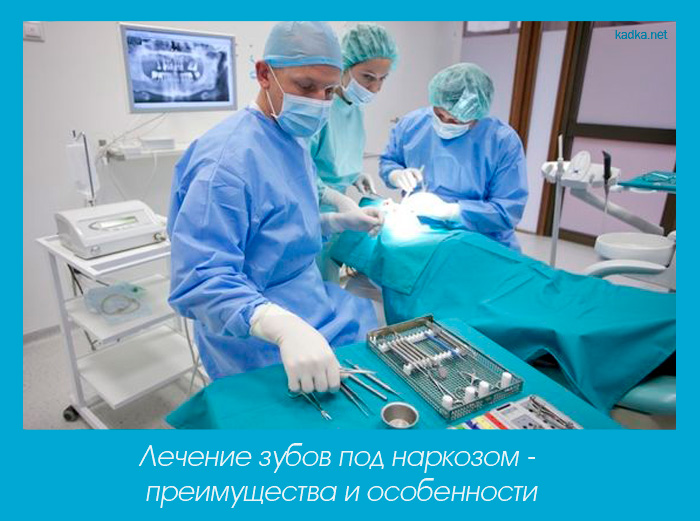
Dental treatment for both adults and children is often accompanied by certain challenges. While with children the issue is a lack of behavioral control, adults are also extremely likely to lose this control when faced with specific phobias or intense pain.
What steps should be taken to improve working conditions for the dentist and, at the same time, enhance the quality of their work? Of course, we are talking about the use of local or general anesthesia The “Your Dentist” Clinic is ready to help everyone and provide a full range of services, proven by experience and thousands of satisfied clients.
What are the advantages of using anesthesia?
There are a number of obvious benefits to using anesthesia during dental treatment. Among them are:
- the treatment process becomes more effective and of higher quality when the patient is in a state of maximum relaxation;
- Anesthesia reduces saliva production, which in turn minimizes the challenges a dentist must overcome. Moreover, the absence of saliva makes treatment more effective;
- A procedure performed under anesthesia allows for the treatment of multiple teeth and problem areas in a single session;
- Dental treatment using anesthesia eliminates severe pain, stress, and negative emotions. It is precisely these factors that subsequently shape a patient’s overall impression of dentistry and their personal attitude toward these necessary procedures.
At the same time, it is important to remember that for a person of any age—whether a child or an adult—the use of anesthesia is a significant intervention in the body. Therefore, it is important to be aware of certain aspects of this procedure.
Anesthesia is a state induced by medication and regulated unconsciously by the human body. Furthermore, all medications currently available affect blood circulation and respiratory processes. This is precisely why a patient’s condition under anesthesia is carefully monitored by a specialized anesthesiologist, even though the medications themselves are not dangerous to human health.
To avoid any serious or minor complications, doctors always gather the following information before beginning treatment involving anesthesia:

- history of previous surgeries and use of anesthesia;
- any previous allergic reactions to any medication;
- chronic conditions;
- calls to emergency services and hospital stays;
- possible complications following anesthesia in any family members;
- recent illnesses and colds.
It should be noted that if anesthesia is not strictly necessary, it is better to proceed with treatment without it.