Mastitis: Causes, Symptoms, Treatment
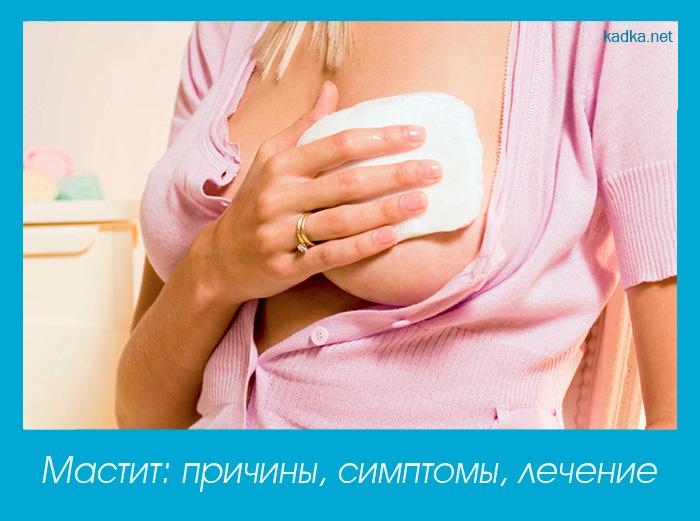
Mastitis is an inflammatory disease of the breast that usually occurs after childbirth. Mastitis is characterized by intense pain, redness of the skin, weakness, and sometimes a fever. The condition occurs when staphylococcal bacteria enter the body through small wounds or cracks in the nipples. Normally, staphylococci are present in the body in small quantities; however, after childbirth, a woman’s immune system is weakened and unable to resist the bacterial flora.
Inflammation of the mammary glands is accompanied by redness of the skin, swelling of the breasts at the site of the lesion, and several other symptoms, some of which are always present while others are not. In any case, severe pain occurs—it feels as if the breast is tearing—and there is intense discomfort, indicating that this is a specific condition rather than a simple ailment. At the first sign of such symptoms, you should visit a specialized breast center in Kyiv, here where you will undergo an examination, determine the cause of this condition, and receive specialized treatment.
Based on the course of the disease, mastitis is classified as serous, purulent, abscess-forming, infiltrative, phlegmonous, and gangrenous. Depending on the cause, it is classified as lactational or non-lactational mastitis.
How to identify mastitis
Mastitis is an acute condition. It can be recognized from the very first symptoms. There are several signs of mastitis:
1) The breast swells and becomes red;
2) Aching pain in the breast area gradually intensifies, especially during feeding;

3) General health deteriorates;
4) Body temperature rises.
If mastitis is not detected in time, the condition progresses to a suppurative form. In this case, the lymph nodes in the armpits enlarge, breast tenderness increases, and body temperature reaches 39 degrees.
Treatment of mastitis
First and foremost, breastfeeding is not recommended during mastitis. Pathogenic bacteria enter the milk and can enter the baby’s body, causing severe inflammation. During treatment, it is necessary to reduce inflammation, alleviate pain, and eliminate the proliferation of pathogenic microorganisms. Discontinuing breastfeeding is beneficial for treatment. This is possible with the use of special medications prescribed only by a doctor.
Non-purulent forms of mastitis are treated with medication. Novocaine blocks are administered for pain relief. Antibiotics from the penicillin or cephalosporin groups are prescribed to suppress the growth of microorganisms. Once bacteriological tests show the absence of pathogenic microorganisms, breastfeeding may be resumed.
If a purulent form develops, only surgical treatment is indicated. For this, you should consult a qualified breast specialist.
Preventive Measures
It is entirely possible to prevent mastitis. To do so, certain recommendations should be followed. The main entry points for infection are cracks in the nipples. Moisturizing creams and plant oils containing lanolin will help soften the skin. During pregnancy and after childbirth, it is essential to maintain good personal hygiene. Regular showering is essential. While feeding the baby, it is recommended to wash your breasts and hands with warm water and pat them dry with a soft towel.
Feed the baby on demand. To prevent milk engorgement, it may sometimes be necessary to adjust the feeding schedule. If there is a lump in the breast due to engorgement, massage the breast and remember to express milk.