ChatGPT and the future of Tier 1 customer service

Modern artificial intelligence technologies continue to amaze us with their capabilities. One of the latest achievements in this area is ChatGPT, a generative model capable of creating texts that are indistinguishable from works written by a person. The question that immediately arises is: can ChatGPT replace Tier 1 customer service?
Contents of the article:

First-level customer support services perform an important function – they answer customer questions, help solve problems and provide advice on various issues. However, their work can often be monotonous and require significant resources. In this context, ChatGPT is presented as a potential solution that can significantly improve the performance of help desks.
Will ChatGPT replace Tier 1 customer service? chatgpt is highly flexible and adaptable. She is able to analyze and understand the context of a question and then generate appropriate answers. Thanks to this, ChatGPT can provide a quick and accurate solution to the customer’s problem, as well as offer additional information that may be useful.
However, despite all its advantages, ChatGPT cannot completely replace first-tier customer support. First, she lacks emotional intelligence, which can be important when working with clients. Second, ChatGPT may have difficulty handling complex or non-routine requests that require human intervention and creativity. Thus, ChatGPT can be a useful tool for automating and optimizing the work of help desks, but not completely replacing it.
ChatGPT: a new era in customer service
With the development of artificial intelligence and machine learning, it is possible to use new technologies in the field of customer service. One example of such technologies is ChatGPT, a generative adversarial network that can engage in dialogue with users and answer their questions.
Traditionally, first-level customer service relied on human operators to answer standard customer questions and concerns. However, this approach has its limitations, such as a limited number of operators, limited working hours and the possibility of errors in request processing.
With the advent of ChatGPT, it becomes possible to automate the process of servicing first-level clients. ChatGPT can be trained on large amounts of data to learn how to answer a variety of customer questions and concerns. It can be integrated into websites, mobile applications or other customer communication channels.
The benefits of using ChatGPT for tier 1 customer service are clear. Firstly, ChatGPT can work around the clock, without breaks or weekends, which allows you to serve clients at any time. Secondly, ChatGPT can process a large number of requests simultaneously, which increases service efficiency and reduces customer waiting time.
In addition, ChatGPT can be trained by analyzing historical customer service data, allowing it to predict potential questions and problems and provide solutions in advance. This improves service quality and increases customer satisfaction.
However, despite all the advantages, ChatGPT cannot completely replace human operators. In some cases, customers may require personalized service or have complex problems that require in-depth understanding and resolution. In such cases, it is necessary to involve human operators for better service.
Overall, ChatGPT represents a new era in Tier 1 customer service. It allows you to automate the service process, increase efficiency and quality of service, and reduce personnel costs. However, it is important to find the right balance between using ChatGPT and human service to achieve optimal results and customer satisfaction.
What is ChatGPT and how does it work?
ChatGPT is a language model developed by OpenAI. It uses artificial intelligence to generate text and perform various natural language processing tasks. ChatGPT can be used to create a variety of applications, including chatbot systems and virtual assistants.
ChatGPT architecture
ChatGPT is based on the Transformer architecture, which was introduced in 2017. This model uses an attention mechanism to process sequences and generate text. The Transformer architecture consists of several layers, each of which contains multiple attention mechanisms. They allow the model to “pay attention” to different parts of the input data and use that information to generate output data.
How ChatGPT works
To work with ChatGPT, you need to provide it with input text, based on which the model will generate a response. The user can ask questions, describe situations, or ask for advice. ChatGPT analyzes the input text and tries to generate the most appropriate response.
ChatGPT is trained on a large amount of text data, including Internet articles, books, conversations, and other sources. This allows the model to have a wide range of knowledge and skills for generating text.
ChatGPT Limitations
Despite its advantages, ChatGPT has some limitations. The model may not always generate accurate and correct answers. It may sometimes provide inaccurate or incomplete information. Additionally, ChatGPT may be affected by bias contained in the training data.
OpenAI is actively working to improve ChatGPT and is constantly updating the model to eliminate shortcomings and improve its accuracy and reliability.
Using ChatGPT in Customer Service
ChatGPT can be used in Tier 1 customer support to automatically answer repetitive questions and provide basic information. However, due to model limitations, ChatGPT cannot always provide high quality service and accurate answers to complex questions. Therefore, first-level customer service may still require human involvement and supervision to ensure a high level of service and resolution of complex customer issues.
Benefits of ChatGPT over traditional help desks
ChatGPT is the next generation of artificial intelligence technology that offers a number of advantages over traditional tier 1 customer support:
- High efficiency: ChatGPT is capable of processing a large volume of requests simultaneously, allowing it to serve a large number of clients at the same time. This significantly reduces response time and improves overall support efficiency.
- Always available: ChatGPT can work around the clock without breaks or weekends. This means that customers can get their questions answered at any time, regardless of office or support hours.
- Fast and Accurate Analysis: ChatGPT has the ability to analyze and understand customer queries quickly and accurately. It can recognize keywords and phrases and identify underlying problems and provide appropriate solutions. This reduces the time spent on manual analysis and processing of requests.
- Reduced Costs: Using ChatGPT reduces customer service costs. Instead of hiring a large number of support staff, a company can use ChatGPT to automate and streamline the customer service process.
- Continuous learning: ChatGPT is capable of constantly learning from new data and customer experience. This allows him to become increasingly efficient and accurate in his responses, as well as adapt to changing customer needs and requirements.
- Creating a Positive Customer Experience: Due to its efficiency and accuracy, ChatGPT is capable of providing high quality and consultative support to customers. This creates a positive customer experience, improves customer satisfaction and increases brand loyalty.
Overall, ChatGPT offers a number of advantages over traditional customer support services, making it a potential replacement for first-tier customers. However, it’s important to remember that ChatGPT still can’t fully replace human interaction and expertise in some situations, so a combined approach may be the most effective.
ChatGPT Automation and Optimization Opportunities
ChatGPT is a powerful artificial intelligence system capable of natural-language conversations with people. Its capabilities can significantly improve and optimize customer service and support efforts.
1. Fast and accurate answers
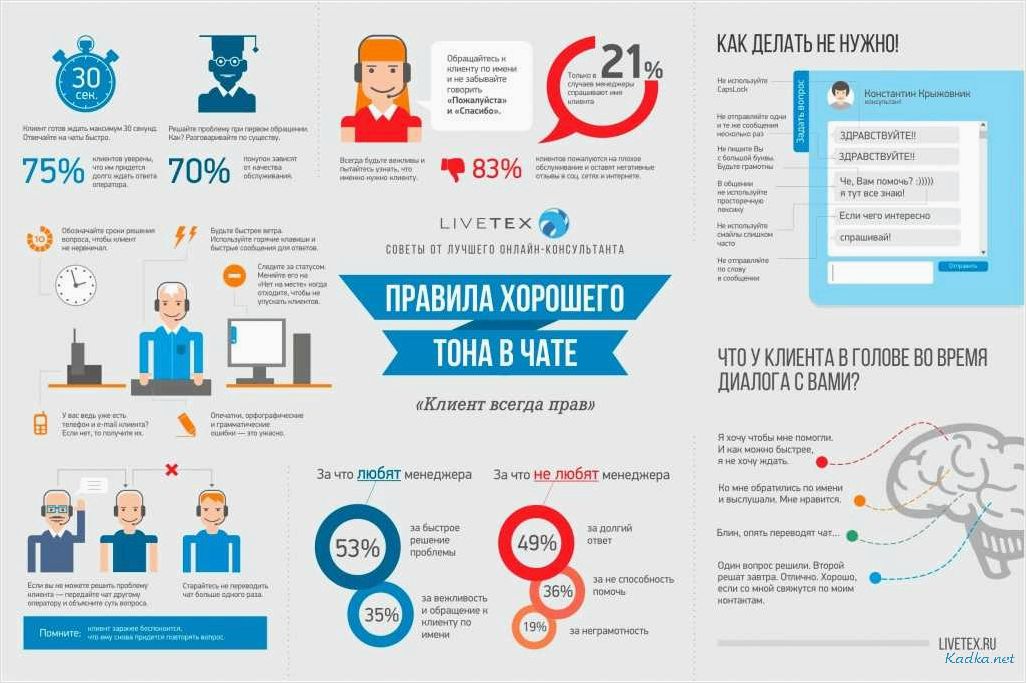
ChatGPT’s extensive knowledge and understanding of customer questions allows the system to provide fast and accurate answers to frequently asked questions. This reduces response times and improves the overall customer experience.
2. Automatic request processing
ChatGPT can automate the processing of customer requests, such as order changes or cancellations. The system can independently analyze requests, make decisions, and send appropriate notifications to customers. This saves employees time and speeds up the request processing process.
3. Personalized approach
ChatGPT can analyze and remember previous conversations with customers, allowing it to offer personalized solutions and recommendations. For example, the system can offer customers suitable products or services based on their previous purchases or preferences. This helps increase customer satisfaction and improve their service experience.
4. Scalability and availability
ChatGPT can simultaneously handle multiple customer requests, allowing it to scale to accommodate growing workloads. This allows the system to be accessible to customers at all times and provide quick responses even under heavy load. This is especially important for companies operating in different time zones or with a large number of customers.
5. Improving the quality of service
Using ChatGPT reduces the risk of errors and inconsistencies in customer service. The system provides highly accurate and reliable information, reducing the number of dissatisfied customers and improving overall service quality.
6. Cost reduction
Automation of work using ChatGPT allows you to reduce the cost of customer service. The system can perform functions that previously required the participation of employees, allowing staff to be reduced or redistributed to more complex tasks. This allows companies to reduce costs and increase operational efficiency.
7. Statistics and analytics
The ChatGPT system can collect and analyze customer interaction data, allowing companies to gain valuable insights into customer preferences and needs. It helps companies better understand their audiences, improve their products and services, and develop more effective customer service strategies.
Benefits of Automation with ChatGPTApplication examplesFast and accurate answersProviding information about products and services, answering customer questionsAutomatic request processingChanging and canceling orders, notifications about order statusPersonalized approachRecommendations of products or services based on customer preferencesScalability and AvailabilityHandling a large number of requests from clients at any timeImproving the quality of serviceReducing the risk of errors and inconsistencies in customer serviceCost reductionReducing staff or redistributing them to more complex tasksStatistics and analyticsAnalyze customer interaction data to improve products and services
Overall, using ChatGPT allows companies to improve their first-tier customer service, reduce costs, and improve customer service.
Limitations and issues associated with using ChatGPT
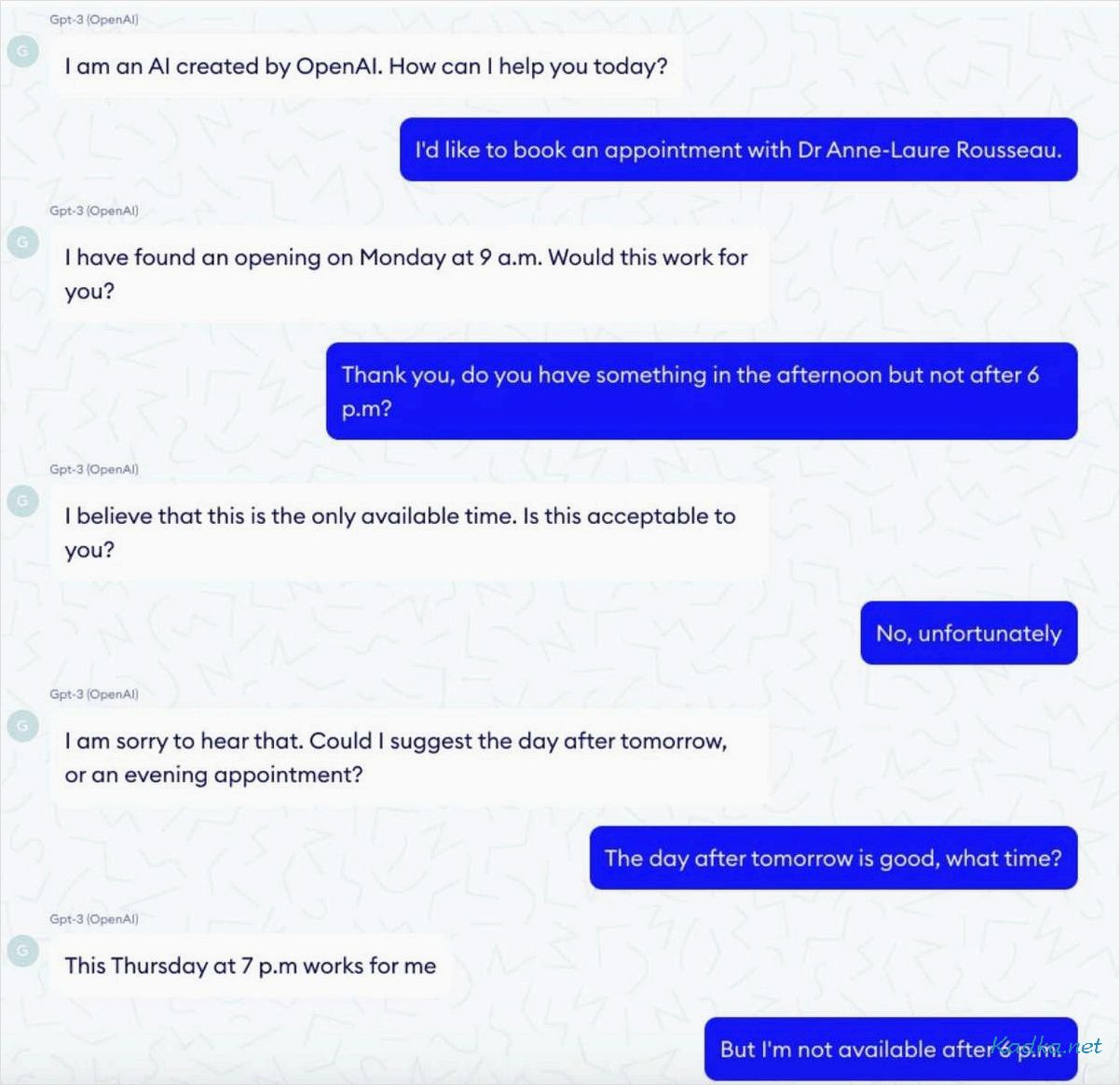
ChatGPT is a powerful text generation model, but it has its limitations and issues that may make it difficult to use as a replacement for tier 1 customer service.
1. Lack of context
ChatGPT does not preserve the context of previous messages, so each new message is considered by the model in isolation. This can lead to misunderstandings or incorrect answers, especially if the question requires consideration of previous details or context.
2. Unpredictability of answers
ChatGPT is a stochastic model, which means its responses can change with each request. This can lead to inconsistent responses and create confusion among users.
3. Lack of documentation
ChatGPT does not have access to information that was not provided in the text input. It cannot link to official documents, instructions or knowledge bases, which can be a problem when resolving complex issues or providing accurate information.
4. Possibility of generating incorrect or malicious information
ChatGPT may generate incorrect or malicious responses, especially if it is provided with incorrect or input data. This may lead to incorrect recommendations or misinformation to customers.
5. Limited understanding of specific terms and domains
ChatGPT has limited understanding of specific terms, domains or industries. This may result in incorrect or incomplete answers if the question relates to a narrow area of knowledge or specific technical details.
6. The need for configuration and control
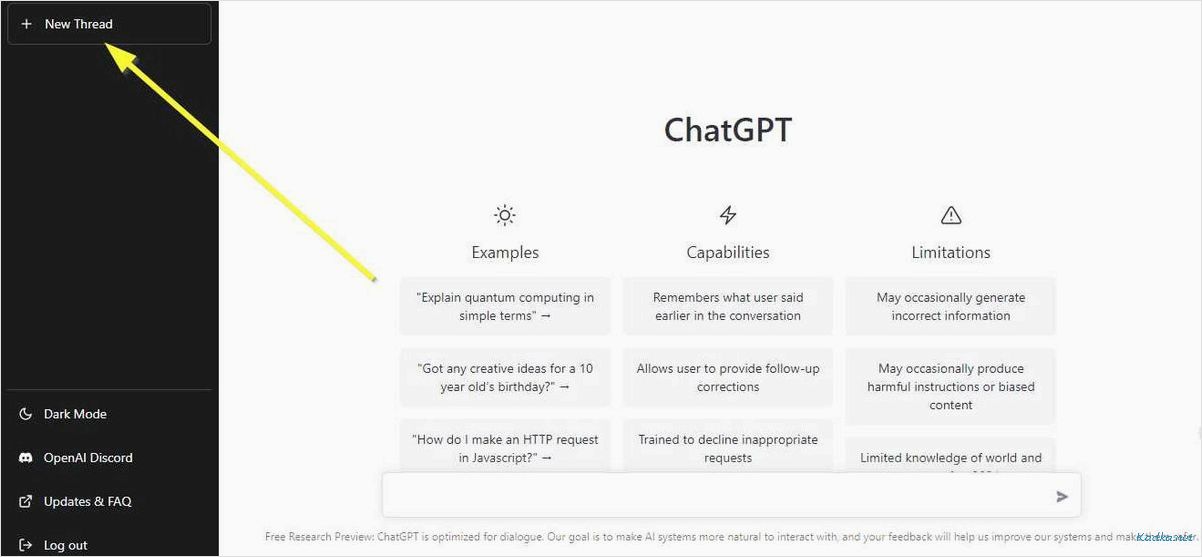
ChatGPT requires configuration and oversight by developers to ensure security and quality of responses. Without proper tuning, the model may produce unwanted or incorrect responses and may be vulnerable to abuse.
Overall, ChatGPT can be a useful tool for automating some tier 1 customer service tasks, but it has its limitations and issues that need to be considered when using it. Developers must be prepared to configure, monitor, and train the model to ensure it is used effectively and safely.
The Future of Customer Service: ChatGPT as a Core Tool
With the development and progress of artificial intelligence, many companies and organizations are starting to use ChatGPT to serve their customers. ChatGPT is a text generation system that can communicate with users in natural language and provide them with the information they need.
One area where ChatGPT can be particularly useful is in tier one customer service. Traditionally, this service is provided through customer service desks, where employees answer questions and solve customer problems. However, with the advent of ChatGPT, it becomes possible to automate this process and significantly improve its efficiency.
Benefits of using ChatGPT in customer service
- 24/7 availability: ChatGPT can be available to customers around the clock, without having to wait for a response from a live operator. This allows clients to get help and solve their problems at a time convenient for them.
- Fast and accurate response: ChatGPT has a wealth of information and can quickly provide accurate answers to customer questions. This allows you to reduce waiting time and improve the quality of service.
- Reduced Costs: Automating customer service with ChatGPT can significantly reduce a company’s help desk costs. Instead of hiring a large number of employees, you can use one system that can handle a lot of work.
- Continuous learning: ChatGPT can be trained using data from real customer conversations, allowing the system to become increasingly efficient and accurate in its responses.
- Scalability: ChatGPT can be easily scaled, allowing you to serve a large number of clients simultaneously without losing quality of service.
Limitations and challenges when using ChatGPT
Of course, using ChatGPT in customer service also has its limitations and challenges. Some of them include:
- Not always understanding the context: ChatGPT may have difficulty understanding the context and the questions being asked. This may result in incorrect or incomplete answers.
- Lack of Emotional Intelligence: ChatGPT lacks emotional intelligence and cannot fully understand customer emotions. This can be a problem when dealing with clients who are experiencing negative emotions.
- Limited ability to solve complex problems: In some cases, ChatGPT may not have enough information or capabilities to solve complex customer problems. In such cases, intervention by a live operator may be required.
- Requires ongoing training: ChatGPT requires constant training and updating to be current and effective in its responses. This can be a time-consuming process for a company.
Conclusion
Overall, using ChatGPT in tier 1 customer service can be a very useful and effective tool. It helps provide customers with quick and accurate answers to their questions, reduces the company’s support costs and ensures that service is available around the clock. However, it is necessary to consider the limitations and challenges associated with the use of ChatGPT and ensure continuous training and updating of the system to ensure that it remains relevant and effective.