Antibiotics for chickens
In addition to breed characteristics such as rearing and feeding, proper temperature and humidity must be maintained when keeping chickens in a poultry house. It is important to clean and disinfect your home every few days to prevent infestation. The disease can significantly deteriorate the condition of poultry, reduce meat quality and increase rearing costs. However, livestock production is rarely free of diseases that can be controlled with antibiotics.
Contents of the article:
About antiviral drugs for chickens
The use of antibiotics in chickens is advisable to increase productivity. An excess of harmful microorganisms in the body of a bird can lead to a significant decrease in growth rates, egg production and meat quality.
Important! Chickens should be slaughtered 5-7 days after a series of treatments, since antibiotics in the body of chickens are dangerous to human health.
When chickens are given small doses, resistance may develop in some bacteria. Therefore antibiotics for broilers should be given only to laying hens, as their remains are quickly eliminated from the body.

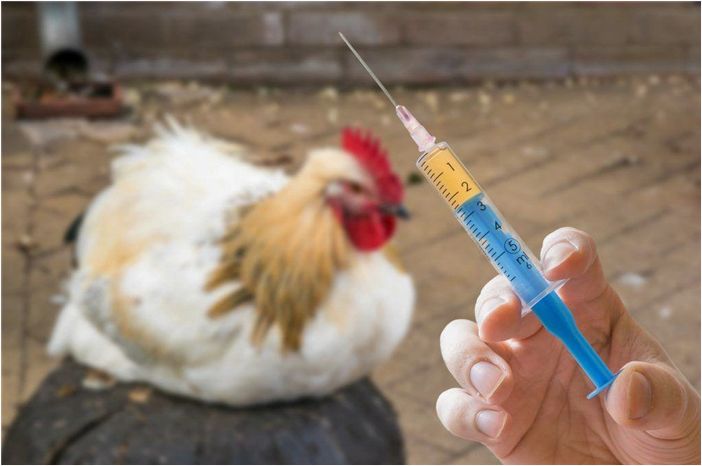
The use of antibiotics in chickens is advisable to increase productivity
To prevent the disease, one-day-old chickens and laying hens are given antiviral drugs before laying. During this period, if a person looks very poor, the result is the same – slaughter; eating meat is absolutely forbidden.
When breeding broilers or egg breeds, you cannot do without medications. Medicines can be given with food and water. Moreover, the second option is preferable, since chickens may have difficulty feeding mixed formulas.
Some feeds already contain antimicrobial ingredients that can be fed to chickens. And broilers and young chickens especially need such stimulating additives.
Broad-spectrum antibiotics for laying hens, broilers, chickens
There are several nuances in handling birds of a certain age that breeders must understand in advance so as not to harm them.
Providing antibiotics to day-old chicks
Providing chicks with water is essential to reduce the risk of mortality during breeding. Vitamin and mineral supplements are used in combination with antibiotics. Instead of individual treatment, this method offers the following advantages:
- It’s quick and easy;
- All chicks are protected. A chick may refuse food in the first few days of life, but will continue to drink;
- Dissolved mineral supplements and organic matter are more easily absorbed by the body.
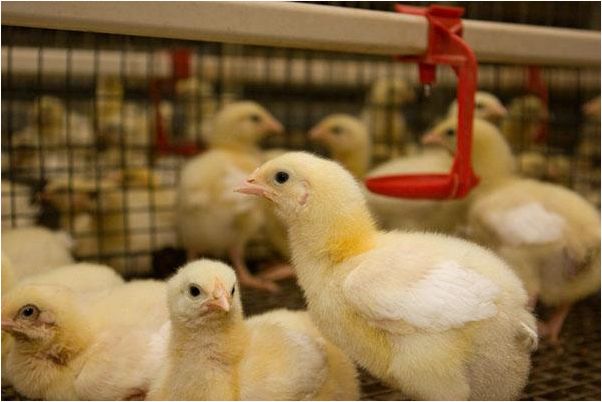
In the first few days of life, it is recommended to give the chick a special diet.
Medications are introduced into the diet from the first day after hatching, according to the individual regimen described in the instructions for the supplement.
Important! Antibiotics for chicks on the first day of life are most often used as a preventative measure.
In the first few days of life, it is recommended to feed the chicks a special feed containing ingredients that prevent the spread of coccidiosis.
- In the first seven days of life, vitamin complexes and glucose-containing products are added to the chicks’ waterer. Antimicrobials can then be used for five days;
- From days 1 to 5 and from days 6 to 11, add antiviral medications (vitamin complexes) to the waterer. Starting at 2 weeks of age, repeat the vitamin supplementation for 3 days. Then, reintroduce antiviral medications into the diet. If coxediostat is not available in the diet, add Bicox.
Alternative feeding options:
- On the first day, give vitamins with up to 20 g of glucose;
- Second, dilute tetracycline to 500 mg using a waterer;
- Over the next two days, add the same amount of chloramphenicol to the water;
- Treat with penicillin-based medications for 2-5 days;
- Repeat the vitamin supplementation later;
- Strengthening the bird’s skeleton is achieved by adding calcium gluconate to the feed for 1½ hours for 5 days.
Antibiotics that can be given to chicks:
- Enroproxacin;
- Tyrosine;
- Tromexin.
All of these medications are available at any pharmacy without a prescription.
Giving medicines to chickens for infection
Since the symptoms of many diseases are similar (wheezing, runny nose, leg problems, etc.), medications for infectious chicken diseases are only effective if they are prepared correctly. For complete treatment, any phlox or viral pathogens must be corrected.
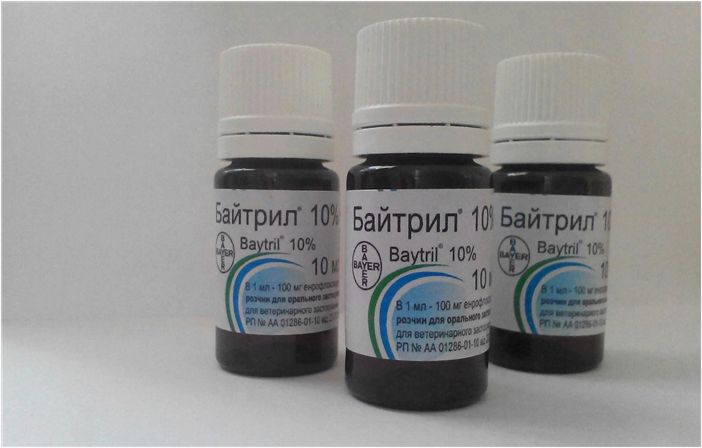
Baytril and Lenders are used to prevent and treat infections.
Baytril is an enrofloxacin that belongs to the fluorotinoline class. It is available in soluble form for injection and added to food. It is applied as follows.
- For preventive purposes, the virus is diluted with water at the rate of 1 ml of the drug per 2 liters of water. You can start using the bird from the second day of life;
- To treat acute bacterial and viral infections, it is carried out as follows: on the first day, the birds are given the drug, adding it to the water in a 1:2 ratio. The next day – the amount of the drug associated with water, i. e. Day 2 – 100 ml of the drug for every 100 ml of water, 3 – 200 ml of the drug for every 100 ml of water, etc. The average duration of treatment is 3-5 days;
- If a bird is diagnosed with salmonellosis in combination with a mixed disease, the scheme is similar. The course of treatment lasts at least five days.
Levomycetin is a spirochete, a derivative of an antimicrobial drug that destroys the virus. It applies to all farm animals. Lending to persons with kidney or liver disease is contraindicated. It is used as an antimicrobial agent for salmonellosis, inflammation of the meninges, lungs and diseases of the gastrointestinal tract. When applying, the age of the chicken should be taken into account. The dosage of this drug does not differ for different diseases.
- When preventing senile infection, they should be used for 3 days;
- Young animals are given the drug 3-7 mg per day, three times a day, for one week;
- Adults should receive 20 mg per day for two weeks.
Antibiotics for broilers of different ages
Young domestic broilers are almost always affected by various diseases. Due to the extremely rapid growth characteristic of this breed, and a number of widespread reasons for the deterioration of thermoregulation, they quickly become hypothermic and fall ill. Therefore, they are inevitably prescribed drugs that increase overall tone. Antibiotics for broiler chickens are used for 4-11 days. For treatment, universal drugs are used: tricopol, furazolidone and other antibiotics for broiler chickens.
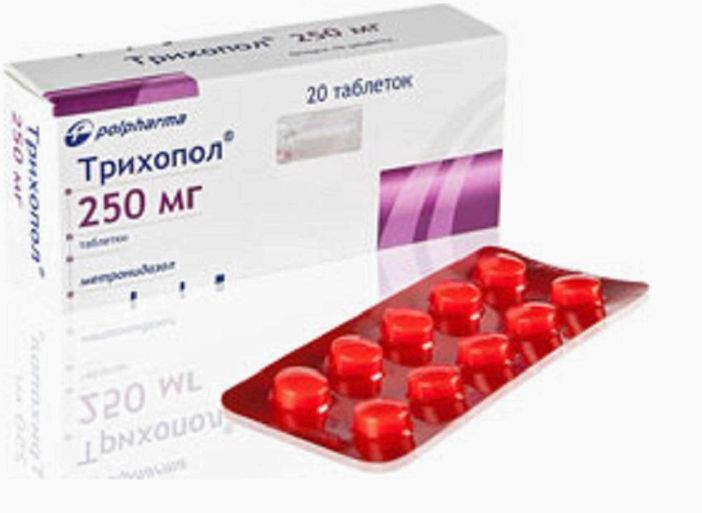
Tricopol contains metronidazole. It attacks parasitic protozoa and is a means of affecting and destroying membranes. Tricopol does not change the composition of beneficial intestinal microflora, but it should be used with caution.
This can be done as follows:
- For prevention, the drug is added to dry food at the rate of 20 mg per kg of live weight. Course duration – 5 days; repeat every 14 days for 1& frac12; hours;
- For coccidiosis, the medicine is diluted in heated water at the rate of 0. 1 g per kg of live weight. Broiler chickens need to be broken up 3 times a day. The duration of the course is 10 days;
- For histomonosis, the norm is 0. 25 g per kg of body weight. Everything else is the same as for coccidiosis;
- Trichomoniasis requires dilution of the drug in a ratio of 25-50 mg per kg of body weight. The solution is given to chickens for two days, after which antibiotic therapy is repeated after seven days.
Furazolidone is a broad-spectrum antibiotic for broilers. Destroys pathogenic microorganisms and promotes the restoration of beneficial microflora; can be used from 10 days. Doses are calculated based on diagnosis.
How to feed young broilers and laying hens with this antibiotic:
- For prevention, the drug is added to food or drinks: 3 g of medication per 1 kg of weight. The course lasts three days;
- Initially, eggs are used to prevent disease in laying hens: 5 g per 1000 hens should be added to the feed. No more than 5 days;
- In the rod form of the bacterium, which is a treatment for coccidiosis, it is added to regular feed twice a day in a ratio of 2 mg of the drug per bird, twice a day, until they reach one month of age. More adults should receive 3 mg of the product. Additional duration – 3-9 days;
- For viral or bacterial infections, treatment may take up to 1 week; the norm is 3 mg of the substance per 1 kg of live weight; repeat after 1. 5 weeks.
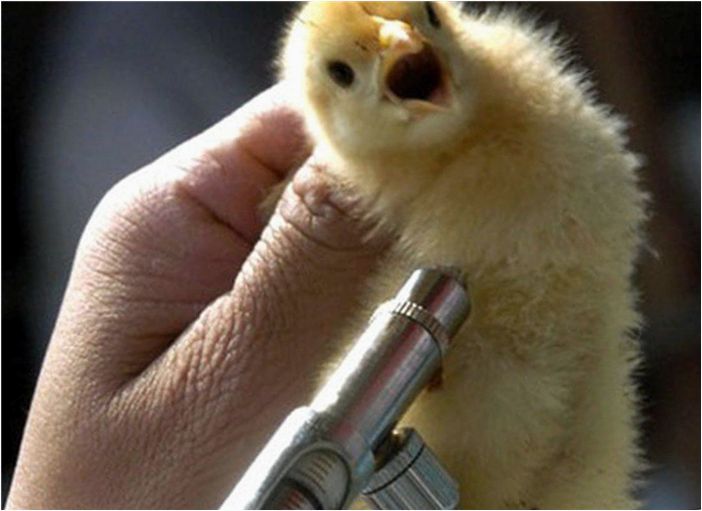
Features of antibiotics for chickens
Antibiotics must be introduced into the bird’s body from an early age. At the same time, the risk of viral diseases is significantly reduced. Many adult chickens have a form of chronic disease. These include corticosis or histiocytosis. And if this does not actually harm them, then in acute forms of these diseases young animals may die. Therefore, the use of antibiotics in chickens in the first days of life is necessary for growth and development.
Suitable for this:
- Penicillin;
- Tetracycline;
- Levomycetin;
- Tyrosine;
- Tromexin.
Antimicrobial drugs remain in the body of a sick bird for a long time. Residues of medications may appear a month after taking them. During antibiotic therapy, it is not recommended to eat laying hen feed, as this significantly deteriorates the quality of the eggs.
Starting from the first days of a chicken’s life and ending with taking care of the preventive distribution of antiviral drugs so as not to cause a similar situation. If all of the above is done correctly, the bird population will be healthy, and the meat and eggs will be tasty!