Ceiling paneling: process features
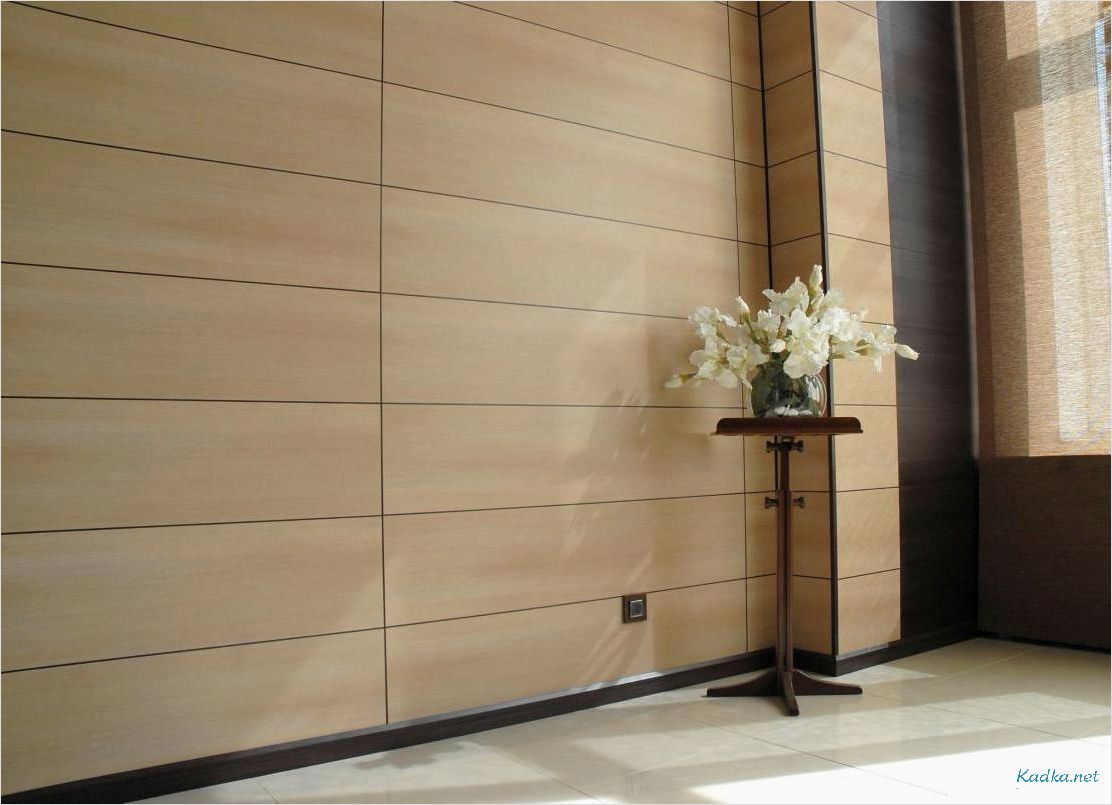
Panels based on polyvinyl chloride are widely used not only for finishing the walls of rooms, but also for decorating or updating the ceiling surface. The ease of assembly allows the material to be installed even by people with no experience or those new to construction.
Contents of the article:
Classification, advantages and disadvantages of the material
PVC ceiling panels consist of two sheets of plastic, secured by special stiffening ribs. The sheet is fixed to the frame, connecting other elements. Ceiling panels are available: suture and seamless. The first classification is characterized by the presence of joints between parts, and the second visually appears invisible. The choice of colors is varied. For example, plain panels are more practical because they are resistant to sunlight and light and do not change color or turn yellow for ten years. The lacquered parts shine and are characterized by a high-gloss gloss.
Due to their visual appeal, durability and ease of installation, ceiling panels are actively installed in residential premises. It is enough to periodically remove dust from such a ceiling with a damp cloth. Compared to wall ceiling panels thinner and more fragile. The lack of a denser structure is explained by the minimal physical impact on the ceiling. PVC panels are characterized by low cost, lightness, water-repellent parameters and sound-proofing properties. The only drawback is the prohibition on installation in rooms with high temperatures.
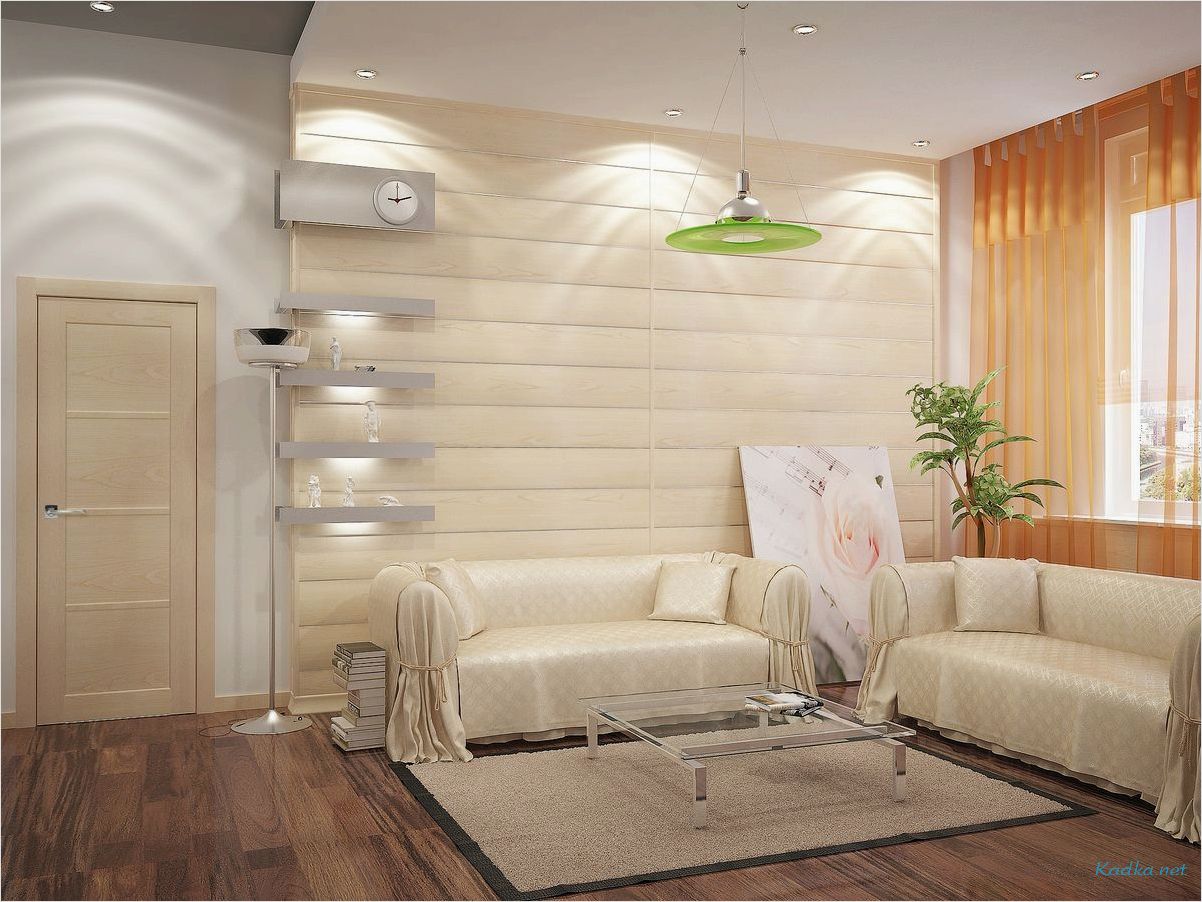
Calculation and installation features
Standard panel parameters vary from 5 to 10 mm in thickness and 25-50 cm in width and 2. 7-3 m in height. To accurately calculate the cost and cost of repairing the ceiling, calculate the area of each panel – multiply by the length and width. The surface area of the ceiling is calculated in the same way. Finally, the ceiling area is divided by the area of one panel, adding 25% in reserve. The old coating is dismantled, chandeliers and lamps are dismantled, and the surface is cleaned of dust. A primer is applied which will need to dry. There are two methods of fastening: on a frame or a canopy.
The first method is used on surfaces with chips, cracks and other defects. Also in rooms with high humidity or low heating. The basis of the frame is a lathing with a pitch of 40 cm, fixed to a wooden beam, plank or metal profile. PVC panels are attached to the suspended frame, which are prepared to size (cut) after the fact, and not in advance. Each sheet is applied to the sheathing, outlining the boundaries, and all excess is cut off. Finally, the panels are joined and the joints are closed with a plinth, threshold or curb.
The frameless method of installing PVC panels using glue is easier. The ceiling is cleaned and primed with an adhesive mixture. The adhesive is also applied to the panel sheet and attached to the ceiling surface. Even a beginner can perform the installation of PVC panels, however, some nuances should be taken into account.