Mikhail Vrubel, an outstanding Russian artist and his influence on Russian art
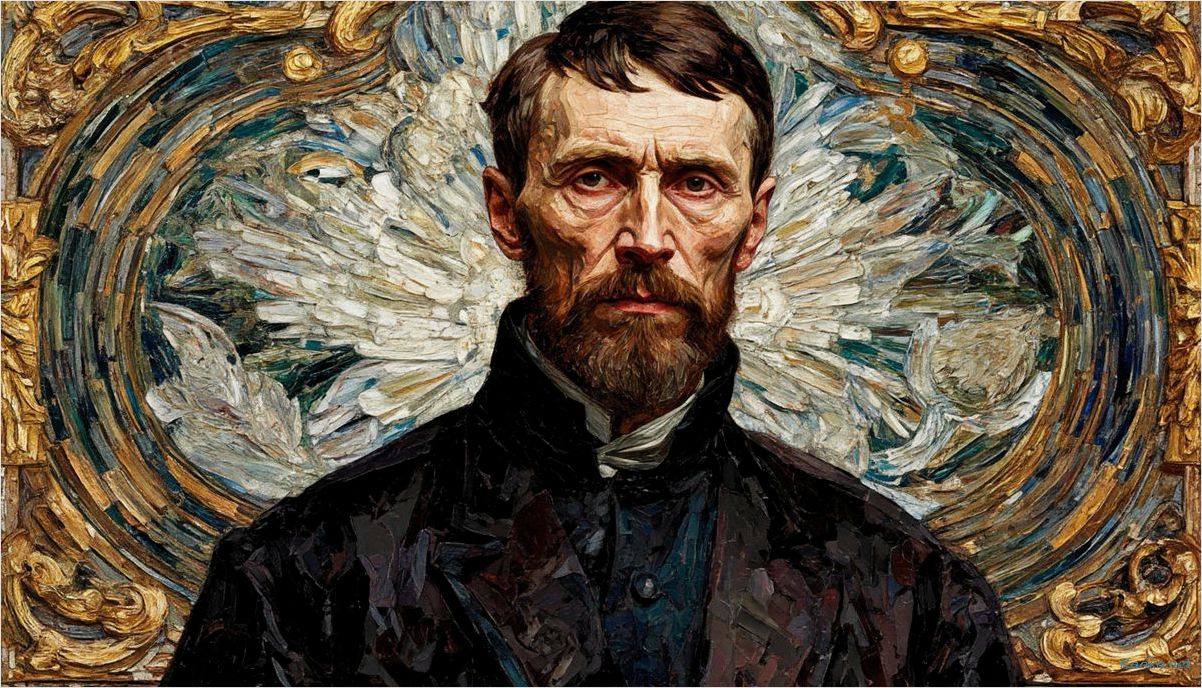
Study the works of Mikhail Alexandrovich Vrubel to understand how he changed Russian art. His unusual compositions, saturated with colors, bring a unique perception of reality. Vrubel creates images that impress instantly. Each painting is not just an image, but a whole story, full of emotions and symbolism.
Contents of the article:
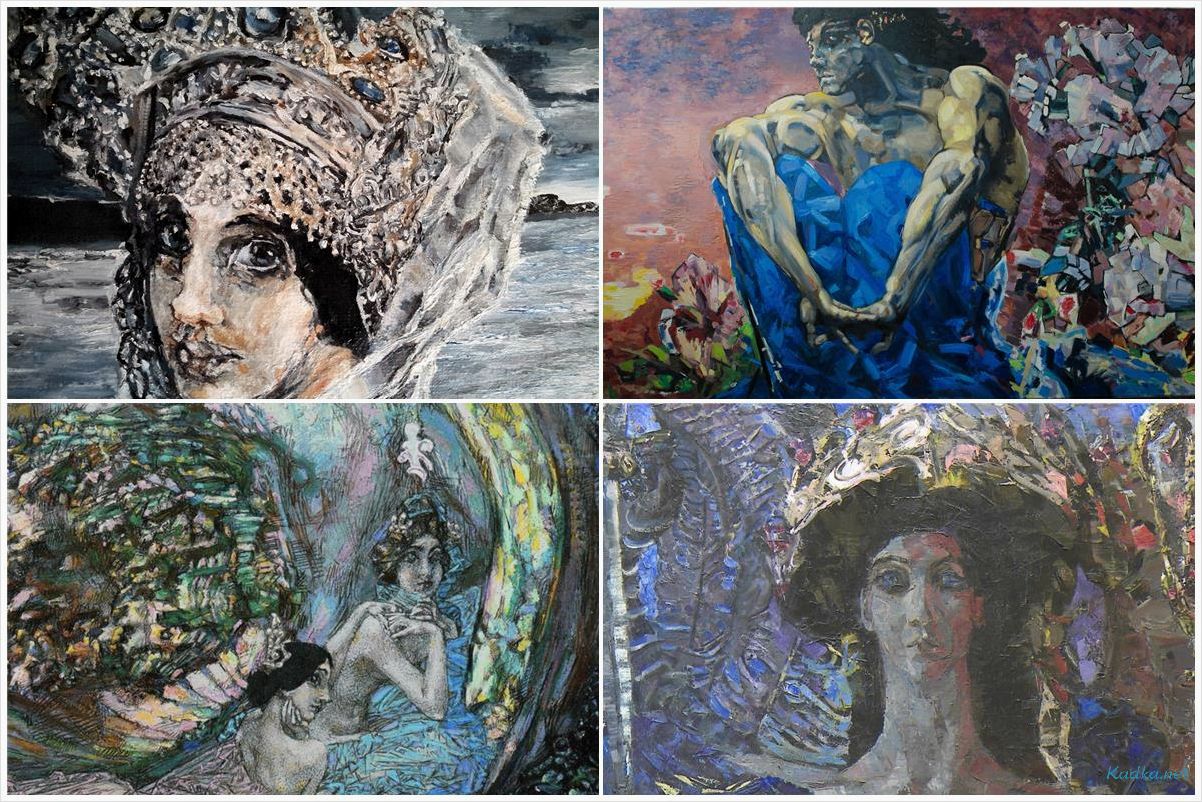
Note his masterful use of color and light, which makes each work vibrant and expressive. For example, in the painting “Demon Seated,” Vrubel uses contrasting shades to convey the hero’s internal struggle. The artist himself spoke of the strong correspondence between the mental state and the colors on the canvas, which makes each work deeply personal and memorable.
Some consider Vrubel a symbolist, but his work goes beyond a narrow direction. His talent combines elements of impressionism and mysticism, creating unique visual images. Reading about his life and creative evolution adds additional layers to the appreciation of his art, making the analysis of his work more meaningful.
The influence of early art schools on Vrubel’s work
Vrubel’s early art school, including his studies at the Moscow School of Painting, Sculpture and Architecture, greatly influenced his style and techniques. Here he mastered the basics of drawing, anatomy and composition, which laid the foundation for future experimentation with form and color.
Despite classical training, the master was not limited to traditional canons. The influence of symbolism and impressionism, which he encountered later, on the sound of his work was still noticeable. The colors and shapes he uses are reminiscent of impressionistic approaches, and the themes of his works often reflect deep symbolic meanings.
It is also worth noting that the formation of his vision is impossible without the influence of the Wanderers. Vrubel studied their works, which helped him understand the social and cultural aspects of his era. Features of social analysis and expressiveness are visible in his portraits and genre scenes, which gives his art special significance.

A direct result of his exposure to early artistic movements was the artist’s desire to create his own unique style. His works reflect a synthesis of classical and modern ideas, symbolism and realism, making his vision unique.
Vrubel became one of those artists who successfully combined tradition and innovation, and his works serve as a striking example of the harmonious interaction of the various artistic movements he absorbed throughout his life and creative career.
How symbolism in Vrubel’s works reflects Russian culture
Vrubel’s symbolism directly relates to Russian cultural identity. His art is saturated with subtle allusions and metaphors that reveal profound aspects of folk myths and traditional beliefs. This Russian artist did not simply convey external forms; he delved into inner meanings, creating images that resonate with the emotional experiences of his compatriots. His works, such as “Demon” and “Mermaid,” prominently feature symbols inherent to Russian folklore. These images, linked to nature and mythology, brilliantly interpret the theme of the struggle between light and darkness. Vrubel uses vibrant colors and dramatic compositions to highlight these tensions, allowing the viewer to gain a deeper understanding of the Russian soul.
The artist’s meticulous attention to detail also helps capture cultural nuances. For example, in “The Swan Princess,” he combines elements of Slavic mythology and Christian symbolism, creating a unique visual language. In this context, his art becomes not only an artistic expression but also an important bearer of cultural memory.
Contemporary Interpretations and Exhibitions of Vrubel’s Works
Modern interpretations and exhibitions of Vrubel’s works
Exhibitions often explore specific themes, such as “Vrubel and the Russian Myth” or “Emotion and Color.” This allows viewers to see how the visual and emotional layers of Vrubel’s works intersect with various cultural contexts. For example, the exhibitions “Vrubel and Symbolism” explore how his work influences contemporary art and visual expression.
In addition to traditional exhibitions, many galleries offer interpretations of Vrubel through contemporary roots: such as 3D reconstructions of his paintings or even VR experiences that provide the opportunity to “enter” his world. These unforgettable interactions enrich perceptions and introduce new ideas into a culture.
The use of social networks as platforms for virtual exhibitions and discussions makes it possible to expand the accessibility of Vrubel’s works. Online excursions and lectures by experts provide an opportunity to discuss not only the details of the works, but also their impact on culture in a rapidly changing world.
Keep an eye out for new projects that explore and reinterpret Vrubel’s legacy. You will be amazed at how his work remains relevant in contemporary artistic contexts.
Mikhail Vrubel, an outstanding Russian artist and his influence on Russian art