Organization of delivery of goods to the store
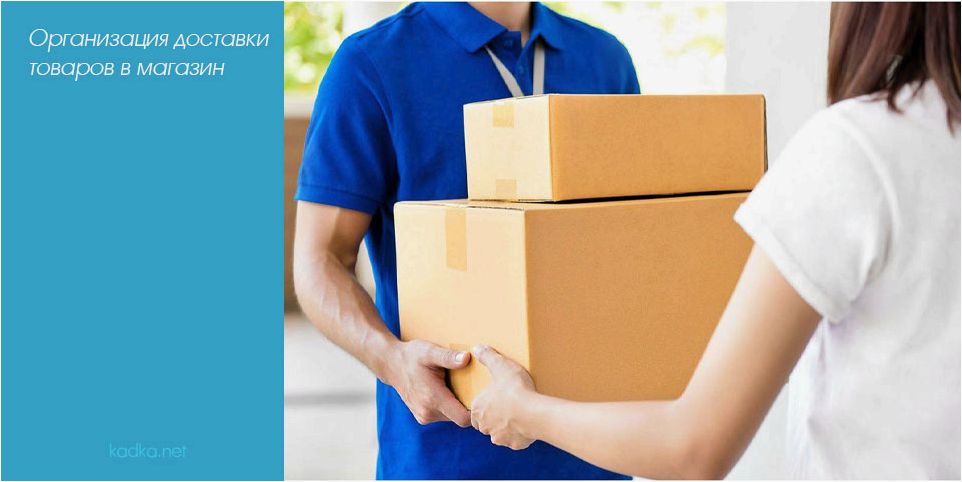
The basis for the supply of goods to a retail trading company is an application. It is compiled in a prescribed format. It indicates the name of the product, its main assortment characteristics (type, grade, etc.) and the required quantity of the product. Duplicates of completed applications are signed by the store manager or director, certified with a seal and sent to the supplier for execution.
Rational organization and technology of goods supply requires choosing the most effective method of delivering goods to the retail network. In practice, two main commodity methods are widely used. It’s decentralized delivery of goods to retail chains and centralized delivery.
Decentralized delivery, or pickup, transport and forwarding operations are carried out by the customer’s forces and resources. With this method, transport is distributed by non-trading organizations and companies or ordered by specialized transport companies. In some cases, stores rely on hired transport services (for example, industrial enterprises, collective farms, state farms).
The main disadvantage of this method & mdash; inefficient use of vehicles. The technical and economic indicators of vehicles used for pickup are much lower than for centralized delivery. In addition, store employees are forced to take time away from their customer service responsibilities, especially when dealing with multiple suppliers.
Freight nights force retail workers into the unusual role of transporting goods. Significant losses of labor and time during self-signaling also arise when choosing between goods, paperwork, loading and unloading. In this regard, pickup trucks can be used in retail trade in exceptional cases.
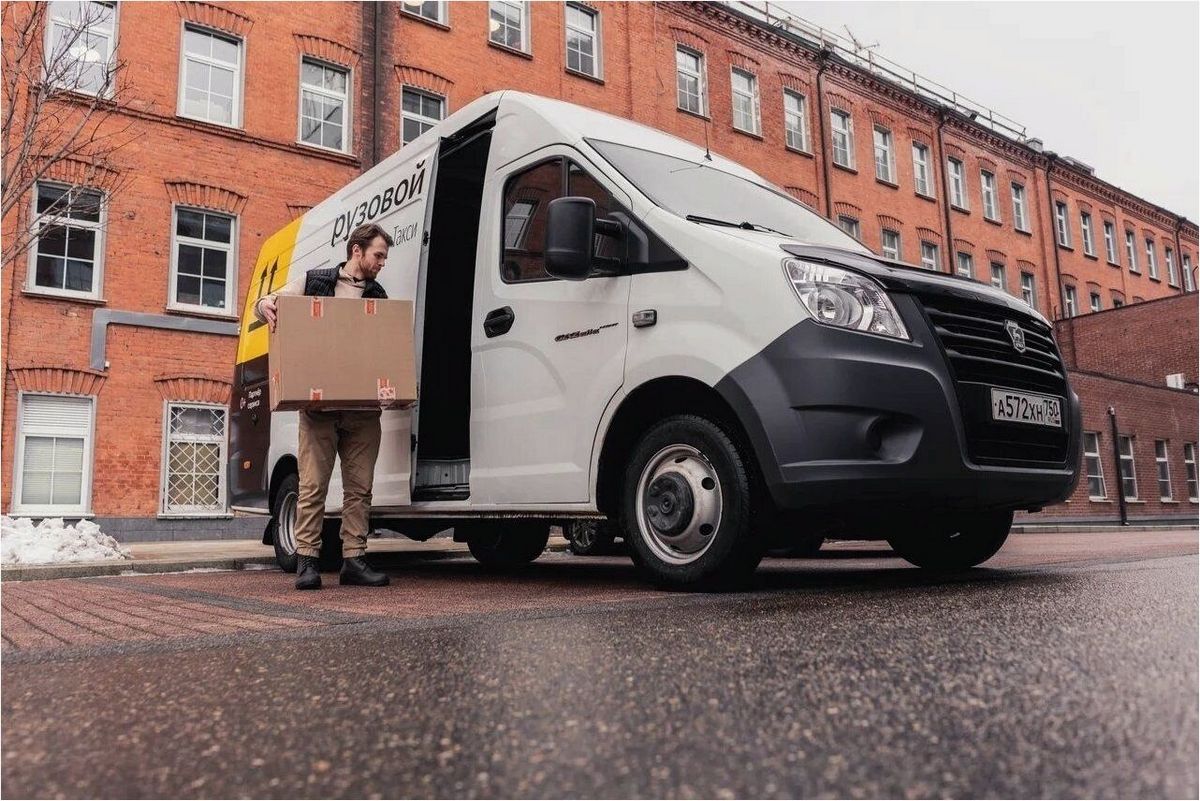
The most efficient method of delivering goods to retailers is centralized delivery, whereby the supplier delivers goods based on the retailer’s order within the agreed-upon timeframe. This method allows for a more consistent supply of stores without disrupting retail employees’ primary responsibilities. With streamlined and centralized delivery, labor and transportation are used more efficiently, and distribution costs are reduced. Products are imported regularly according to schedules, maintaining a consistent store inventory. Product sales are accelerated and damage is reduced.

Centralized delivery of goods to retailers allows suppliers or public transportation to manage the retail network. If goods are imported via public transportation, the supplier enters into a contract with a trucking company for the transportation of goods, along with the supply contract concluded between the supplier and the buyer.
Centralization of transportation and forwarding operations will:
- Eliminate excessive downtime and utilize transport more efficiently;
- Reduce the number of loaders and freight forwarding personnel involved in cargo transportation;
- Freeing shop floor personnel from organizing transportation and shipping resources, resulting in improved shop floor operations;
- Regular delivery of goods to the retail network in accordance with agreed-upon schedules;
- Eliminate unnecessary warehouse links in the flow of goods and accelerate sales;
- Reduce the number of warehouse area and staff releases;
- Reduce paperwork and simplify payments to suppliers for goods.
Organizing centralized deliveries requires extensive preparatory work.
Developing a plan for implementing centralized deliveries begins with determining the volume of freight sales at service points. Subsequently, the frequency, or periodicity, of imports, the batch size of imported goods, and the route and schedule of deliveries are determined.
When determining the frequency of deliveries, the physical and chemical characteristics of the goods, limiting sales conditions, average daily sales, the size of the established minimum inventory, and other factors are taken into account. The frequency of deliveries for most perishable goods is determined based on daily or hourly sales volumes.
Centralized delivery of goods must be carried out according to a strictly established schedule. This is a schedule of times when goods are picked and delivered to stores. They indicate the number of routes, delivery times, names of trading companies and their addresses, transportation times and types of delivery times.
When editing the schedule, the layout of the retail network, the number of imported goods and the frequency of deliveries, and the functions of the transport operation used are taken into account. They are coordinated with trade.
Goods delivery schedules are closely related to the centralized goods delivery routes developed by the wholesale base. Their compilation allows for more efficient use of vehicle capacity and provides the fastest way to deliver goods.
Import routes & mdash; These are methods of transporting goods from where they are shipped to retail outlets. They are linear and circular.
Linear routes are used to deliver one flight of goods to one store.
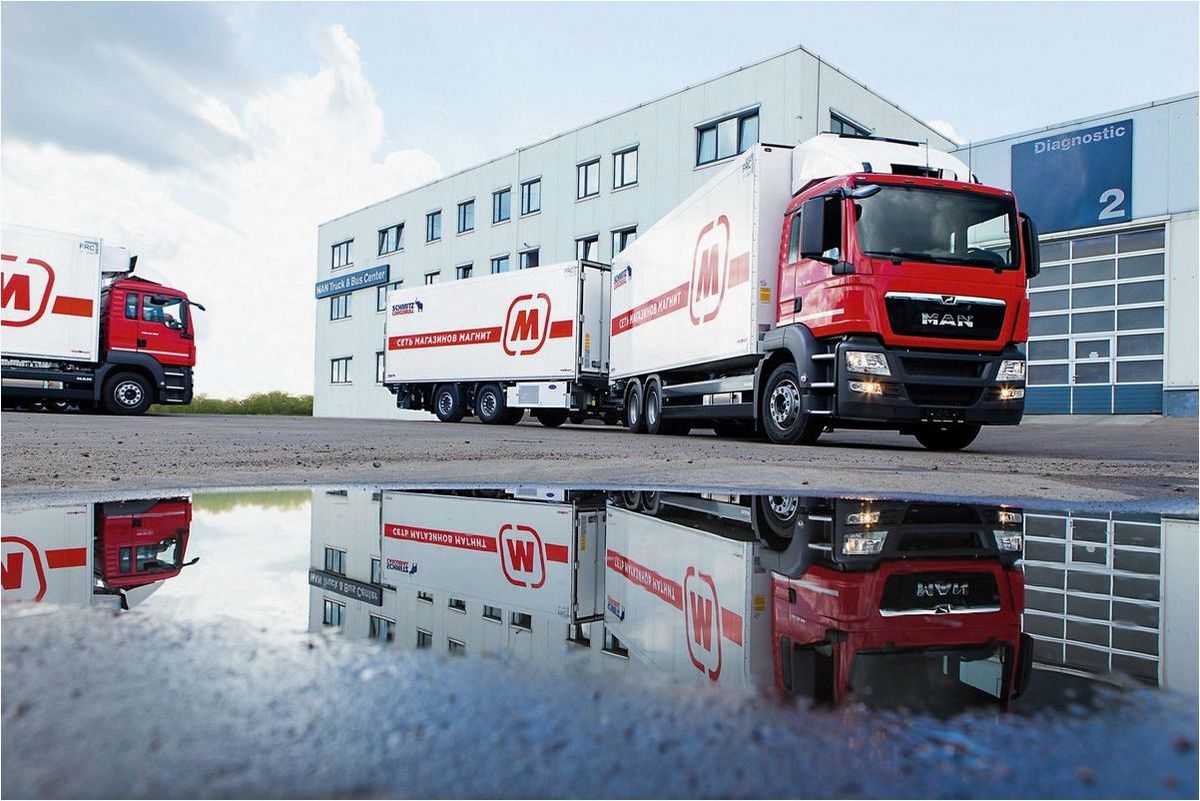
In the case of stores, the supply of vehicles is less than their capacity, so goods can be imported using import rings. In this case, the delivery ensures full capacity utilization because the route includes two or more closely located stores.
Product delivery routes are developed taking into account the territorial location of the retail distribution network. For this purpose, a map of the location of retail trade enterprises is drawn up, provided by the wholesale base, which determines possible transport connections between several settlements in which retail trade enterprises are located. At the same time, the first linear routes are built and then formed. Taking into account the optimal performance of the vehicle, routes are created.
The routes developed and agreed upon with buyers and transport organizations are then brought to the attention of the performers. An important part of developing centralized distribution of goods is determining the required number of vehicles, containers and reusable containers.
In recent years, container equipment has been increasingly used in the process of processing goods. To introduce advanced technologies for transporting, storing and selling goods using container equipment, support complexes are being created on the basis of supplier companies and retailers.
The use of container delivery of goods to stores significantly reduces the number of workers, commas and the movement of goods at wholesale and retail enterprises, simplifies the organization of retail outlets, greatly facilitates the movement of the contents of goods and creates conditions for more efficient operation of vehicles and retail stores.
In addition to container equipment, special reusable boxes and textile containers are used to deliver goods to the retail chain.
Technical maps can be used to simplify the management of the product distribution process. This is a detailed development of the most important components of the centralized delivery of goods to the retail network. They show not only the days and times of delivery of goods to stores, but also the number of vehicles servicing the route, the names of drivers, the size of consumer shipments and other data.
Operational control over goods in the retail network is entrusted to the dispatch service. The dispatch service ensures constant communication between the retail network and the wholesale base to which goods are received. It collects and summarizes information received from stores, which is promptly transferred to the commercial services of the wholesale base for making the necessary decisions on the import of goods.
Rational organization and technology of goods supply requires choosing the most effective methods of delivering goods to the retail network. An important condition for determining the rational organization of goods distribution is the correct choice of the form of transfer of goods from the point of production to the point of consumption; The choice of a particular source of goods is made by the retailer, taking into account the type of store, turnover, location, state of demand and price levels for goods from various suppliers.
To create a unified management system for this process, it is necessary to improve the product. The basis of such a system is the dispatch service, organized by various levels of trade management, including retailers. Its main task & mdash; control and regulation of the delivery of goods to the retail network.