Cuba tourism and travel: discover the splendor of the Caribbean island

Far from noisy cities, surrounded by the blue waters of the Caribbean Sea, there is an amazing country that attracts with its exoticism and uniqueness. Here, as if in a fairy tale, cultures and traditions mix, creating a unique flavor and atmosphere. This is a place where everyone will find something special and unforgettable.
Contents of the article:
- Historical heritage and rich culture of the Caribbean archipelago
- Discovery of Cuba by Columbus
- The influence of Spanish colonization on Cuban culture
- The 1959 revolution and its consequences
- Cuba’s musical heritage: rhythms, melodies and dances
- Famous attractions of the Caribbean island
- Traditional cuisine and drinks of the Caribbean island
sunny beaches with white sand, crystal clear water, a variety of flora and fauna – all this is the Caribbean. And Cuba is one of the most vibrant and attractive islands in this region. Here every guest will be able to plunge into the atmosphere of an amazing journey, full of discoveries and adventures.
The history and culture of Cuba are inextricably linked with the Caribbean. Spanish colonial architecture, African traditions and admixtures of other cultures are mixed here. It is a place where dance, music and art play an important role in the daily lives of locals and capture the hearts of tourists from all over the world.
Historical heritage and rich culture of the Caribbean archipelago
The Caribbean archipelago, known for its white beaches and warm climate, is also famous for its unique historical heritage and rich culture. In this section, we will delve into the history and culture of Cuba, describing its unique features and the influence of various cultural movements in shaping modern Cuba.
Revolutionary Legacy: One of the key components of Cuba’s history is the revolution that led to the establishment of the socialist regime under the leadership of Fidel Castro. This period of history had a significant impact on the formation of Cuban identity and the cultural development of the country.
African Roots: Cuba is also famous for its African roots, which are evident in music, dance, religious practices and cooking. African culture has had a significant impact on the local population and has become an integral part of Cuban culture.

Spanish Heritage: Cuba was a Spanish colony for several centuries, and the Spanish language, architecture, and traditions remain deeply ingrained in Cuban culture. Old cities such as Havana and Trinidad offer a unique opportunity to immerse yourself in Cuba’s colonial past and appreciate the beauty of Spanish architecture.
Traditions and Festivals: Cuba is a country rich in traditions and festivals. Carnivals, music festivals, and dances such as salsa and rumba are an integral part of Cuban culture and attract tourists from around the world.
Literature and Art: Cuba is renowned for its talented writers, artists, and musicians. Literary works such as Ernest Hemingway’s “The Old Man and the Sea” capture the spirit of Cuban history and culture. Cuban artists are known for their vibrant paintings and sculptures that reflect national traditions and ideals. Cuba’s diverse historical heritage and culture make it an attractive destination for travel and exploration. Learning about Cuba’s history and culture will help you understand the uniqueness of this country and enjoy its rich cultural heritage.
The Discovery of Cuba by Columbus
Discovery of Cuba by Columbus

Columbus and His Voyages
Christopher Columbus, the Spanish Crown, and his daring expeditions were the key factors that led to the discovery of Cuba. In search of new trade routes and riches, Columbus set out on a voyage across the Atlantic Ocean. In 1492, his expedition, consisting of three ships, reached the Bahamas and then Cuba.
Discovery of Cuba
Upon landing on the shores of Cuba, Columbus and his crew discovered a beautiful and fertile land inhabited by natives they called “Indians.” This discovery opened a new era in Cuban history and became the starting point for further colonization of the island.
The Significance of the Discovery of Cuba
Columbus’s discovery of Cuba had enormous significance for the island’s history and culture. It marked the beginning of Spanish colonization, introduced new technologies, culture, and language to the island, and influenced its geopolitical and economic destiny. Today, Cuba attracts tourists from all over the world with its history, beautiful landscapes, and unique culture, all shaped over centuries.
The influence of Spanish colonization on Cuban culture
The influence of Spanish colonization on Cuban culture
Language: Spanish became the official language of Cuba and is still the national language of the country. Many Spanish words and expressions have become part of Cuban slang and everyday speech.
- Religion: Catholicism, brought by the Spanish colonialists, became the main religion on the island. However, under the influence of African slaves, voodoo and syncretic religious beliefs such as Santeria also spread to Cuba.
- Architecture: Spanish architecture has had a huge influence on Cuban architecture. Colonial buildings, featuring typical Spanish elements such as red tiled roofs and beautiful courtyards, can be seen throughout the country.
- Cuisine: Spanish cuisine has become an integral part of Cuban culture. Traditional Spanish dishes such as paella and tapas are fused with local ingredients and traditions to create a uniquely Cuban cuisine.
- Music and Dance: Spanish music and dance, such as flamenco and paso doble, influenced the development of Cuban music and dance styles such as the son and cha-cha-cha. Cuban music and dance have become famous throughout the world and attract many tourists.
- The Spanish colonization of Cuba left an indelible mark on Cuban culture, introducing its own characteristics into various spheres of life. This interaction between Spanish and Cuban traditions and styles has created a unique and rich cultural blend that attracts many people from all over the world to explore and enjoy.
The 1959 revolution and its consequences
The 1959 revolution and its consequences

The revolution, led by Fidel Castro and his comrades, established a new political regime based on the principles of socialism and the nationalization of key sectors of the economy. This led to radical changes in society and the power structure.
One of the main consequences of the revolution was the nationalization of foreign companies, which led to a significant depletion of the Cuban economy and a reduction in foreign investment. This event also affected the international relations of Cuba and other countries.
The 1959 Revolution also brought about changes in Cuba’s educational and healthcare systems. Reforms were implemented to ensure access to education and healthcare for all citizens, leading to significant improvements in these areas.
However, the revolution also had some negative consequences. Restrictions on freedom of speech and political repression became characteristic features of the new regime. This led to the emigration of many Cubans and the creation of a Cuban diaspora in various countries around the world.
Overall, the 1959 Revolution had a profound impact on Cuba and its people. It brought about radical changes in the political, economic, and social spheres that are still felt today. Understanding and analyzing these consequences allows us to better understand modern Cuba and its tourism potential.
Cuba’s Musical Heritage: Rhythms, Melodies, and Dances
Cuba’s musical heritage: rhythms, melodies and dances
Another popular genre is mambo. It features more dynamic and energetic movements that require good physical fitness and precise coordination. Mambo is music and dance that gets your heart pumping and your feet moving in time with the melody.
Cuban music is also famous for its traditional instruments, such as bongos, claves, and timbales. The sounds of these instruments create a special atmosphere and add a unique and distinctive character to Cuban music. They are an integral part of Cuban culture, passing down its heritage from generation to generation.
Traditional Cuban music and dance are not only entertainment but also a way of expressing the Cuban people. They reflect its history, culture, and national identity. Immerse yourself in the world of Cuban music and dance, and you’ll understand why they so attract and inspire tourists and travelers from all over the world.
Famous attractions of the Caribbean island
Famous attractions of the Caribbean island
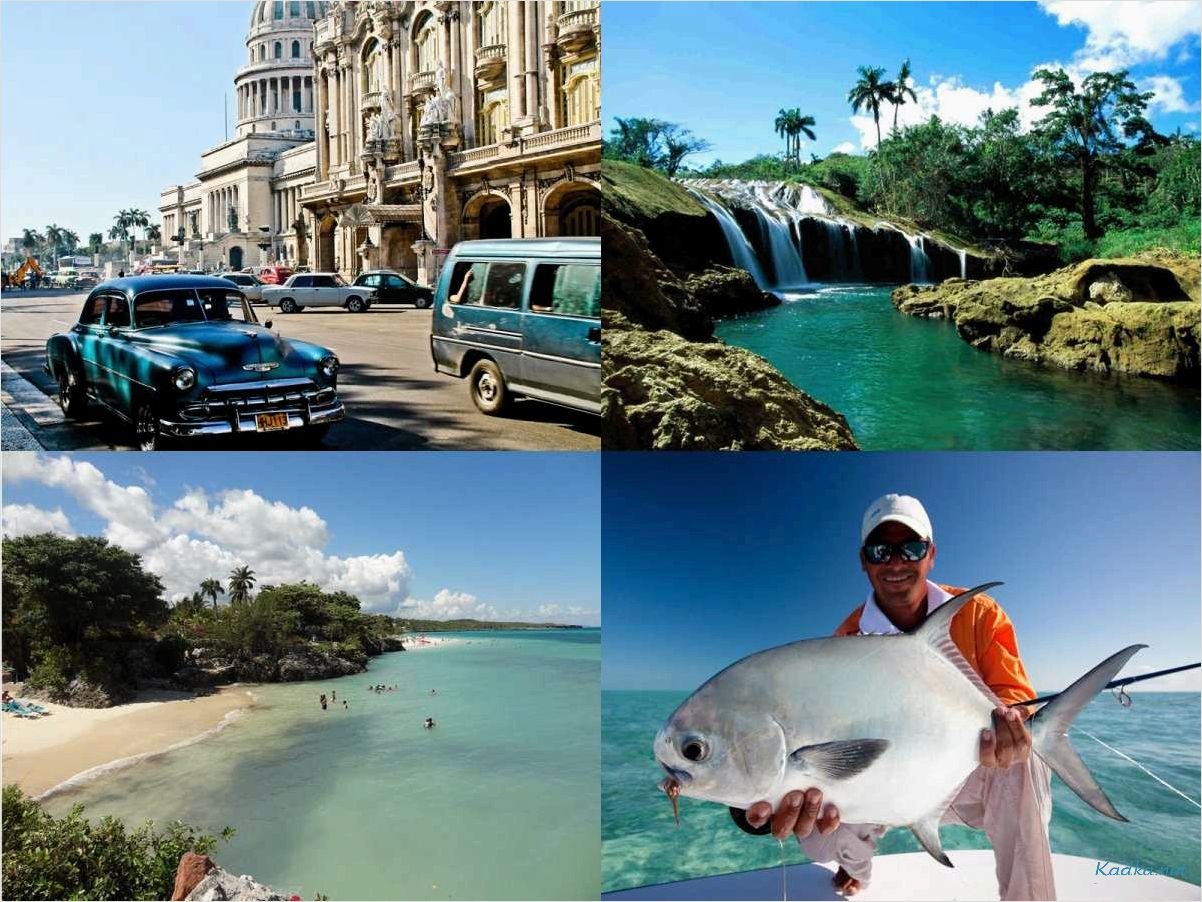
One of the most famous architectural monuments in Cuba is the Capitol in Havana. This is a majestic building that once served as the seat of the Cuban government. Its architecture combines neoclassical elements and magnificent decorative details. The Capitol is the symbol of the capital and is a must-see for tourists.
Another unique monument in Cuba is the Teatro Carlos Manuel de Cespedes in Santiago de Cuba. This theater was built at the beginning of the 20th century and is considered one of the most beautiful theaters in Latin America. Its architecture combines elements of colonial style and Moorish architecture.
An important monument of art in Cuba is the Museum of Folk Art in Trinidad. This museum is located in the historical center of the city and features a unique collection of folk art, including ceramics, textiles and woodwork. Visitors can not only enjoy the exhibition, but also learn more about the traditions and culture of the Cuban people.
Traditional cuisine and drinks of the Caribbean island
Traditional cuisine and drinks of the Caribbean island
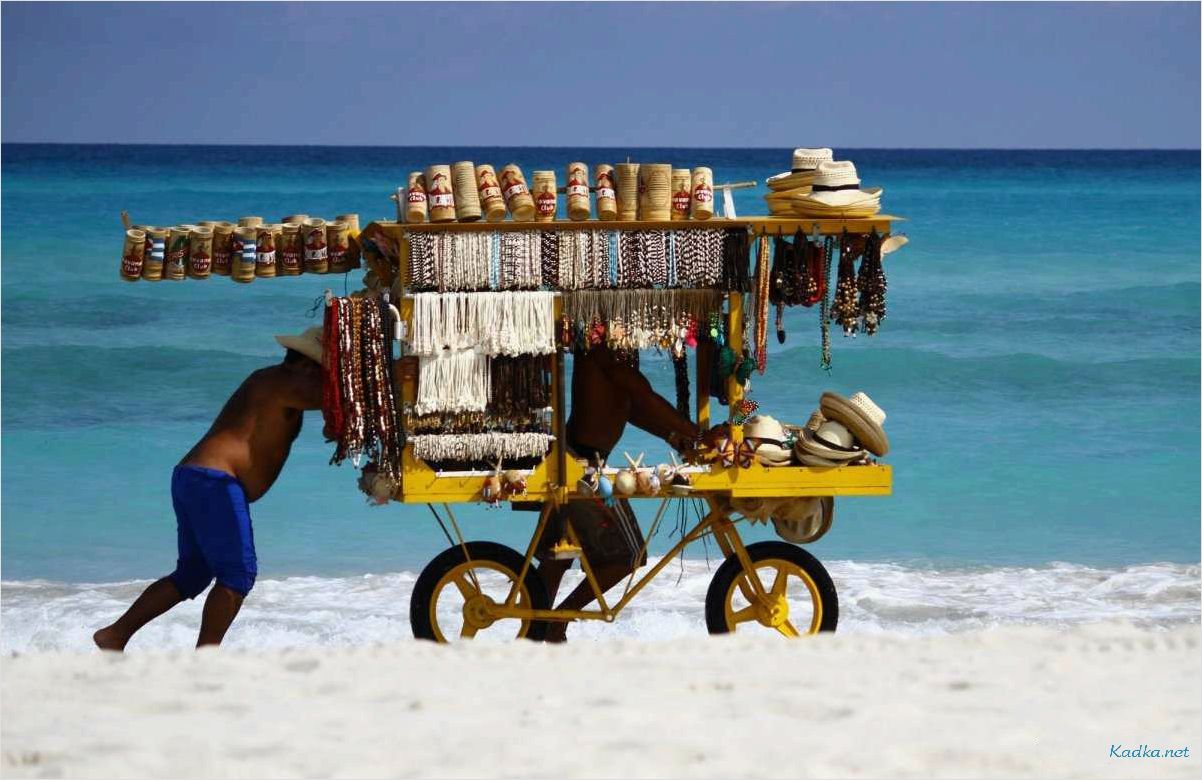
Seafood: Cuba is an island surrounded by excellent fish resources, so seafood has a special place in Cuban cuisine. From fresh shrimp to exquisite lobster, Cuban fish dishes amaze with their variety and unique taste.
- Prunes and capers: These two ingredients are the basis of many traditional Cuban dishes. Prunes and capers add a special touch of acidity and piquancy to dishes, making them unique and memorable.
- Ice cream and fruit desserts: In Cuba’s hot climate, refreshing desserts are especially popular. Ice cream with exotic fruits, fruit salads and puddings are a real treat for those with a sweet tooth.
- Cubans are also famous for their drinks, which have become real symbols of Cuba. One of the most famous drinks is the mojito, a refreshing cocktail made with rum, lime, mint and soda water. It is also worth trying Cuban rum, which is considered one of the best in the world, as well as the national Cuban drink – Cuban coffee, thick and aromatic.
Cuba tourism and travel: discover the splendor of the Caribbean island