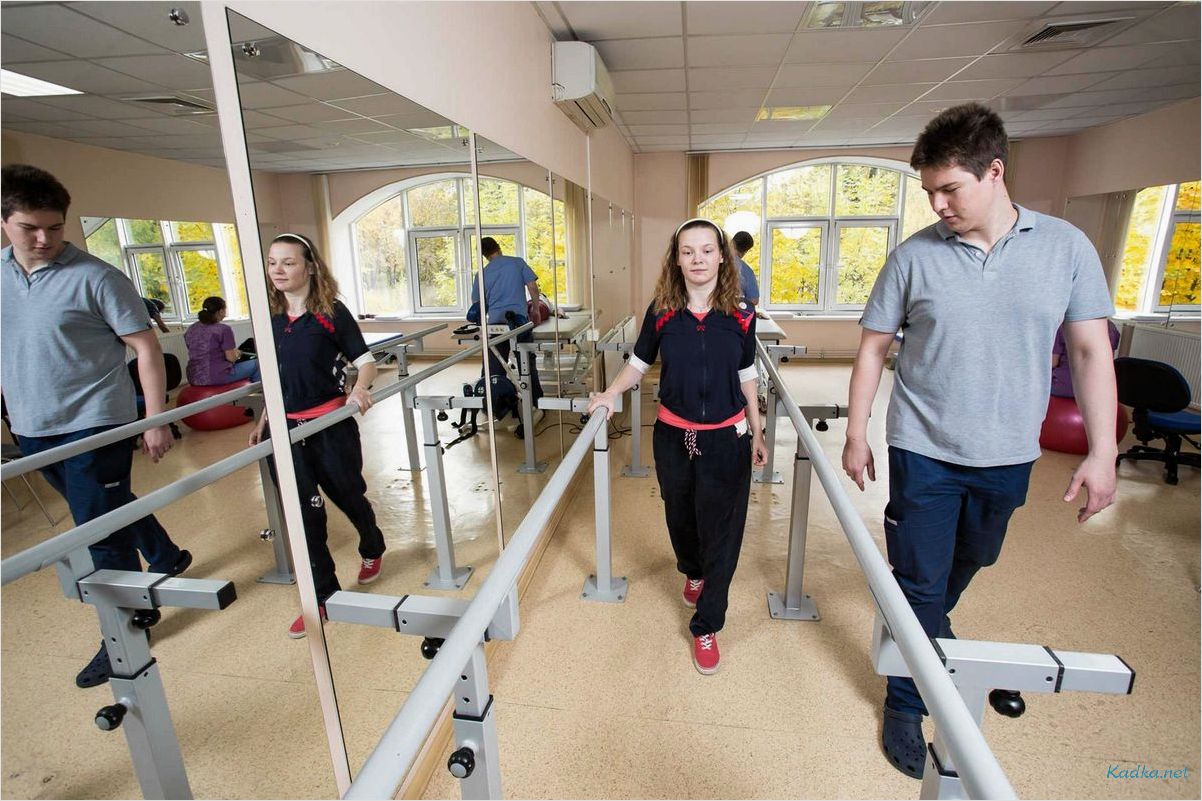
Choosing the Right Walker for Adults
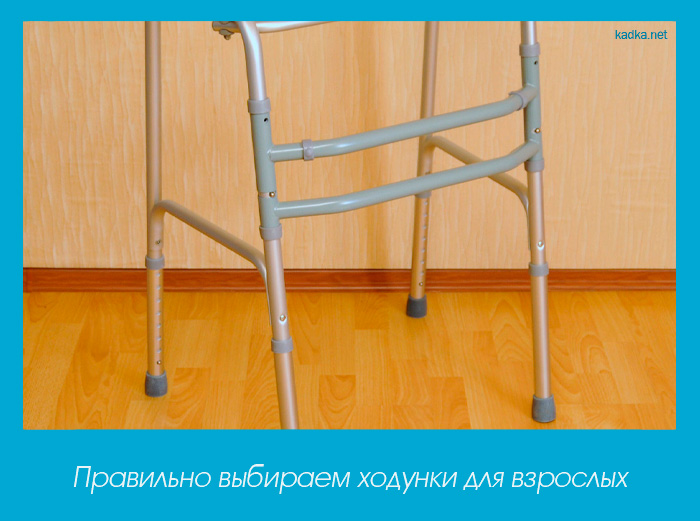
In large cities, while shopping, it has become increasingly common to find stores selling products designed to support the musculoskeletal system (crutches, canes, wheelchairs, walkers for adults, and walkers for children with cerebral palsy).
Types of Walkers
The product range at https://medsklad.com.ua/reabilitacionnoe-oborudovanie/khodunki/ offers various types of multifunctional walkers:
- stationary (these are sturdy structures that must be moved entirely in front of the user. They provide firm support when walking on a flat surface and completely relieve the load from the lower limbs, transferring it to the upper limbs).
- walking frames (designed on the same principle as stationary ones, but the right and left sides must be moved alternately, mimicking a human stride. This design is used in the final stage of rehabilitation following an injury).
- Universal (these walkers combine the first two types. They can be locked and used as stationary walkers at the very beginning of rehabilitation. Once the legs have regained strength and the user feels confident, the lock should be released and steps taken).
- Roller walkers (operate on the same principle as stationary walkers but differ in that they have wheels—two to four. These devices are more maneuverable, especially the three-wheeled models. However, they should only be used by individuals with a well-developed vestibular system and good coordination to avoid additional injuries).
In addition to classic walkers, the website https://medsklad.com.ua/ also features non-standard devices with additional support.
Types of walker support
Walkers are used for various purposes:
- as a replacement for a cane or crutches, since walkers are more durable, have a wide base, and help maintain better balance
- for rehabilitation after serious injuries, when people have to learn to walk again
- to reduce the load on the lower limbs in people with disabilities, as recommended by orthopedic doctors.
Accordingly, each person needs a different type of support:
- walkers with underarm support. These are used when it is impossible to lean on the hands. To achieve maximum support, the user secures themselves to the frame with additional straps. Maneuverability is ensured by a four-wheeled frame.
- Walking frames with underarm support. An excellent choice for those who find it difficult to support themselves not only on their hands, but also on their elbows and forearms. They come with or without wheels. The latter are chosen for people who cannot bear weight on their legs at all.
- Forearm-supported walkers act as a muscle trainer, allowing you to shift your weight from your hands to your forearms.
The selection is vast, and making a choice on your own can be difficult. Therefore, you should consult your doctor before making a purchase.

Important: When choosing a device, it is advisable to opt for one with height adjustment to relieve unnecessary strain on the spine.