Ultrasonic Tartar Removal
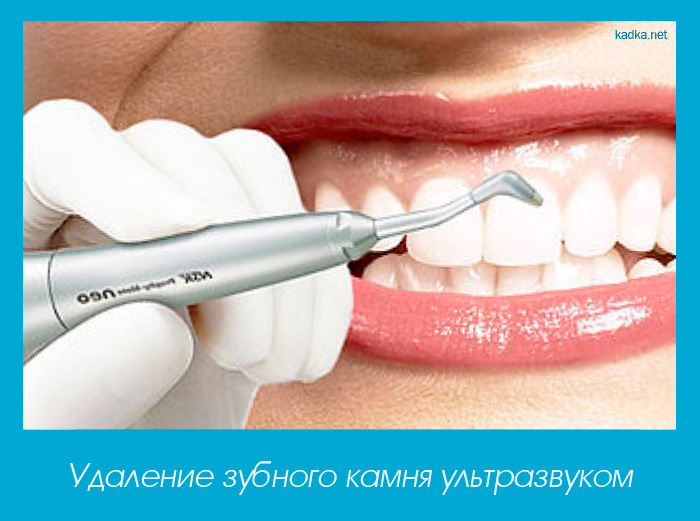
Everyone dreams of having healthy teeth and a snow-white smile, but unfortunately, brushing at home isn’t enough. Enamel becomes dull, teeth lose their whiteness, but worst of all is the buildup of tartar, which is virtually impossible to remove at home. Professionals at dental clinics can easily handle this task using ultrasonic tartar removal equipment.
What is professional ultrasonic cleaning? Professional teeth cleaning is essential for maintaining dental health. Unfortunately, many people avoid visiting the dentist due to fear of pain. Modern anesthesia and equipment help minimize discomfort, while the latest treatment and cleaning methods restore teeth to health and beauty. Cleaning is also performed to prevent cavities and gum disease. Additionally, by clicking the link http://lukashuk.com.ua/services/viniru-kiev/ you can get veneers by contacting Andrey Lukashuk’s clinic.
Professional dental hygiene is essential for removing both hard and soft plaque. Various techniques are used for this purpose, ranging from professional toothpaste to the application of calcium and fluoride to the teeth. Among these, special attention is given to ultrasonic cleaning, which can remove tartar painlessly and without harming the teeth.
Preventive cleaning consists of the following procedures:
- Cleaning teeth using ultrasonic devices.
- Removal of supragingival and subgingival tartar using a scaler.
- Teeth polishing.
- Fluoridation.
This method is modern and effective, which is why it is the primary focus of the cleaning process. All modern dental clinics are equipped with ultrasonic scalers. This device can remove both supragingival and subgingival tartar deposits, which are often invisible. Ultrasound kills all harmful bacteria that regular toothpaste cannot eliminate.
No matter how perfectly a patient brushes their teeth, professional cleaning must be performed at least once every six months. During the procedure, tartar is broken up and removed even from beneath the gums. The teeth become clean and smooth.

People suffering from any physical illnesses should undergo these procedures more frequently. This is because, due to their condition, dental plaque builds up much more quickly than in healthy individuals.
Contraindications
There are several contraindications for this procedure. It should not be performed on people suffering from or with:
- asthma;
- chronic bronchitis;
- acute respiratory infections;
- hepatitis;
- tooth hypersensitivity;
- cardiac arrhythmia;
- malocclusion;
- HIV;
- tuberculosis.
Dental implants and other orthodontic appliances are also contraindications for this procedure. It can be performed on children provided they are not in the process of losing their baby teeth.
Oral Care After the Procedure
No special care is required. Only regular brushing with toothpaste for sensitive teeth is necessary. This should be done twice a day. Use toothpicks, dental floss, and other dental hygiene products as needed. It is also recommended to rinse your mouth after meals. For two days, it is best to avoid foods and beverages that can stain the enamel.
The results after the procedure will pleasantly surprise you. Your teeth will regain their snow-white appearance, health, and beauty, and you will gain confidence in your own irresistible charm. The most important thing is to choose a good specialist.