Uyghur lagman – an original recipe with an exquisite combination of aromas and spices
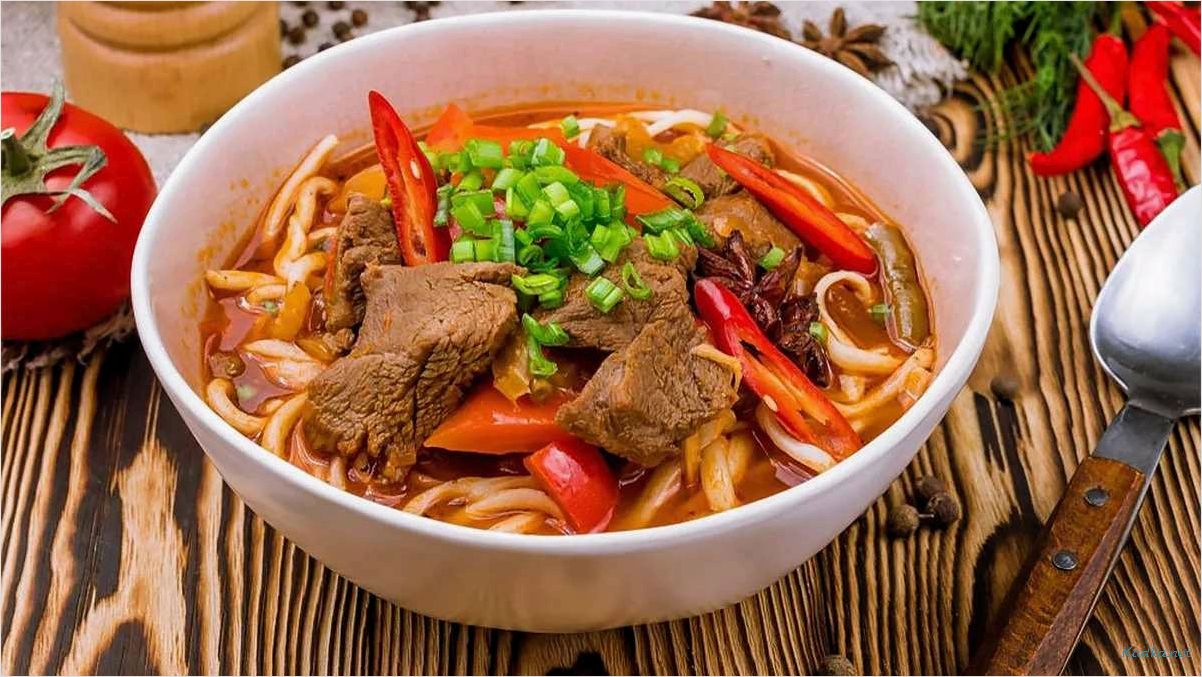
Imagine a vibrant palette of flavors combining aromatic spices, fresh vegetables and tender meat. Imagine a dish that cannot be called just soup or noodles because it is unique and a feast for your taste buds. This is a dish that embodies the thousand-year-old culture of the East and conveys its unique flavor and spirit.
Contents of the article:
When we talk about oriental cuisine, we always immediately remember the original recipes that are passed down from generation to generation. One of these recipes is a real masterpiece, which is the pride of Uyghur cuisine. This is a dish that can be compared to a real work of art, where each ingredient has its own role and together they create a unique flavor bouquet.
This dish is a real gastronomic fairy tale, which allows you to plunge into the world of oriental traditions and realize that taste preferences can be so diverse and surprising. But the most important thing is that this dish is an opportunity to try something new, unusual and unforgettable, which will make you fall in love with Eastern culture and its cooking.
The history of the origin of the Uyghur lagman
In this section we will look at the history of the dish that is today known as Uyghur lagman. Let’s look at its origins, traditions and connection with the culture and people of the Uyghurs.
Uyghur lagman is a traditional dish that has a long history and deep roots in the culture of the Uyghur people. It is famous for its rich flavors, exquisite composition of ingredients and unique cooking method. The dish is considered one of the symbols of Uyghur cuisine and is an integral part of the national culture of the Uyghurs.
The history of the Uyghur lagman goes back many centuries. It originated in ancient times and over time became an integral part of the Uyghur culinary tradition. The dish had its roots in the ancient nomadic tribes that lived in the territory of the modern Middle East. The Uyghurs have formed their own unique cuisine, in which lagman occupies a special place.

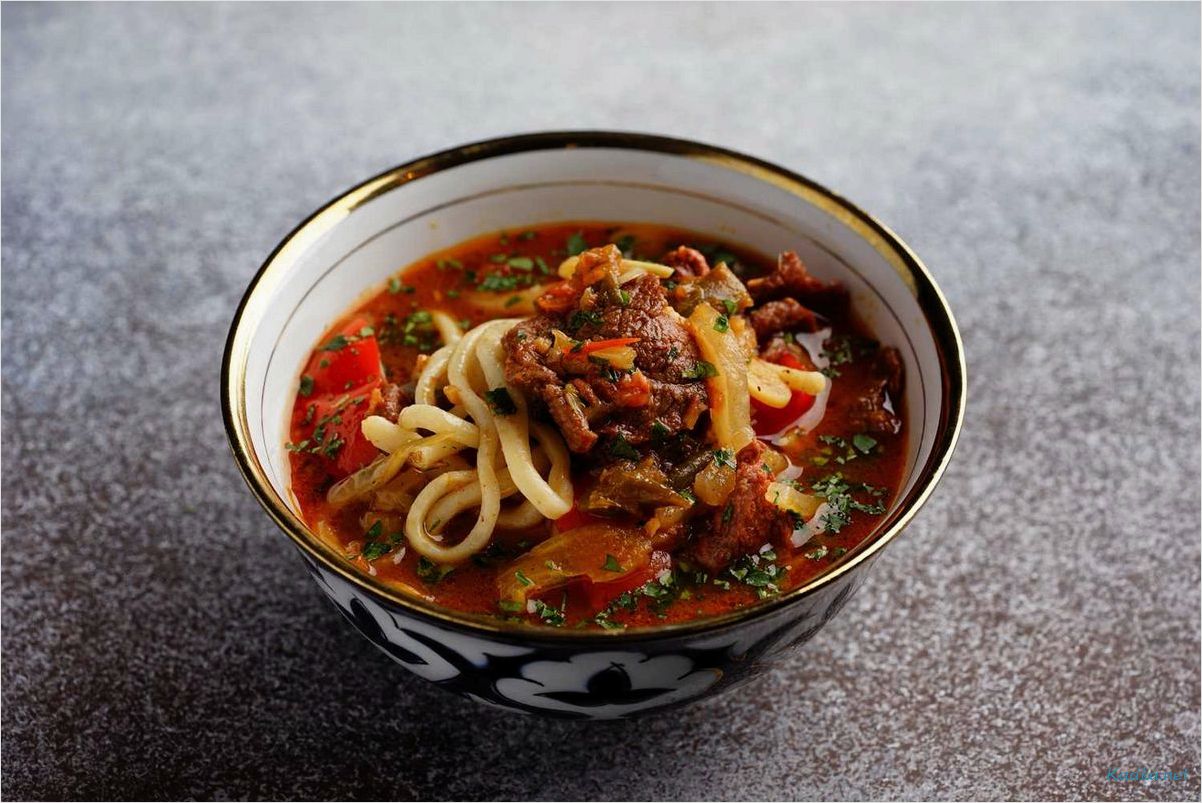
Uyghur lagman was so popular that over time it became known in other peoples and cultures, where its preparation and recipe were adapted to local conditions and preferences. However, the original Uyghur lagman still remains inimitable and unique.
It is important to note that the Uyghur lagman has not only culinary, but also cultural value. The dish is associated with national customs and traditions, family holidays and ceremonies. It is an integral part of Uyghur culture and heritage passed down from generation to generation.
Let’s look at the historical roots and origins of this dish.
A long time ago, in distant lands, a unique culinary tradition was formed, which permeated many generations and became an integral part of the culture of these lands. The dish we are going to talk about today has many names and variations in different cultures, but its roots go back to the very depths of history.
The history of this gastronomic masterpiece is closely intertwined with the history of the people who created it. This dish has become an integral part of the cuisine of this people, reflecting their traditions, customs and tastes. It was intended to satisfy hunger and become a source of energy for those who had lived for centuries in difficult climatic conditions.
Cooking this dish requires careful preparation and skill; sources claim that the recipe was passed down from generation to generation and has come down to us unchanged. But, like many national dishes, it was influenced by other cultures and was reflected in various culinary traditions.
Different regions and peoples gave this dish their own unique characteristics, adding new ingredients and seasonings. However, regardless of these variations, it has always retained its distinctive feature – a combination of exquisite taste and nutritional value.
Secrets of preparing authentic Uyghur lagman
Immerse yourself in the world of oriental aromas and unique tastes with Uyghur lagman!
In this section, we will tell you some of the secrets of preparing this delicious dish that will help you create real gastronomic magic in your kitchen.
The first secret is the correct choice of ingredients. The basis of Uyghur lagman is a fresh and juicy vegetable base, which gives the dish brightness and flavor. A great idea is to use a variety of vegetables such as carrots, bell peppers, cabbage and tomatoes to create a rich flavor profile.
The second secret is proper preparation of the noodles. Noodles for Uyghur lagman should be elastic, but not hard, with a well-defined taste and aroma. It is important to choose the right type of noodles and cook them until al dente to maintain their texture.
The third secret is the unique sauce. The secret ingredient that gives Uyghur lagman its unique taste is a special sauce. The combination of spices, herbs and other secret ingredients creates a unique aroma and taste that cannot be forgotten.
The fourth secret is the correct cooking technique. Uyghur lagman is an art that requires careful attention to detail. The right combination of ingredients, the correct preparation of the noodles, the exact cooking time are all important points that will help you achieve the perfect result.
Using these secrets, you can prepare Uyghur lagman that will captivate your taste buds and surprise your guests with its unique taste and aroma. Don’t be afraid to experiment with ingredients and add your own special touch – there is no limit to perfection in cooking!
Check out the basic ingredients and cooking options for this delicious dish.
In this section, we will tell you about the key ingredients and methods of preparing Uyghur lagman, a popular dish that is distinguished by its rich taste and aroma. You will be able to learn about the different variations of this traditional cuisine, as well as what products are needed to prepare it.
Main Ingredients
- Meat (beef, lamb or chicken) is the main component of lagman, which gives the dish a rich taste and proteins;
- Onion – adds flavor and sweetness and is also a base for the sauce;
- Pepper – adds piquancy and spiciness to the dish;
- Carrots – adds sweetness and brightness of taste;
- Garlic – enhances the aroma and adds spiciness;
- Tomatoes are the base for the sauce and add rich color to the dish;
- Spices (cumin, coriander, turmeric, etc.) add a unique aroma and taste.
Cooking methods
Uyghur lagman can be prepared in a variety of ways, depending on the region and preference. Below are some popular options:
- The classic method involves thoroughly frying the meat, onions, carrots, and spices, then simmering them with tomato sauce. This imparts a deep flavor and aroma to the dish.
- Baked: The meat and vegetables are baked in the oven with the sauce, giving the lagman a tender and juicy texture.
- Boiled: The meat and vegetables are simmered in broth until tender, then the sauce is added to the finished dish. This cooking method gives the lagman a unique flavor and texture.
- Laghman with noodles: The meat and vegetables are cooked separately and then combined with boiled noodles. This cooking method adds a special richness and juiciness to the dish.
Choose the cooking method that suits you best and enjoy the taste of Uyghur lagman with your family and friends! A Gastronomic Journey Through Eastern Cuisine: The Magic of Uyghur Laghman
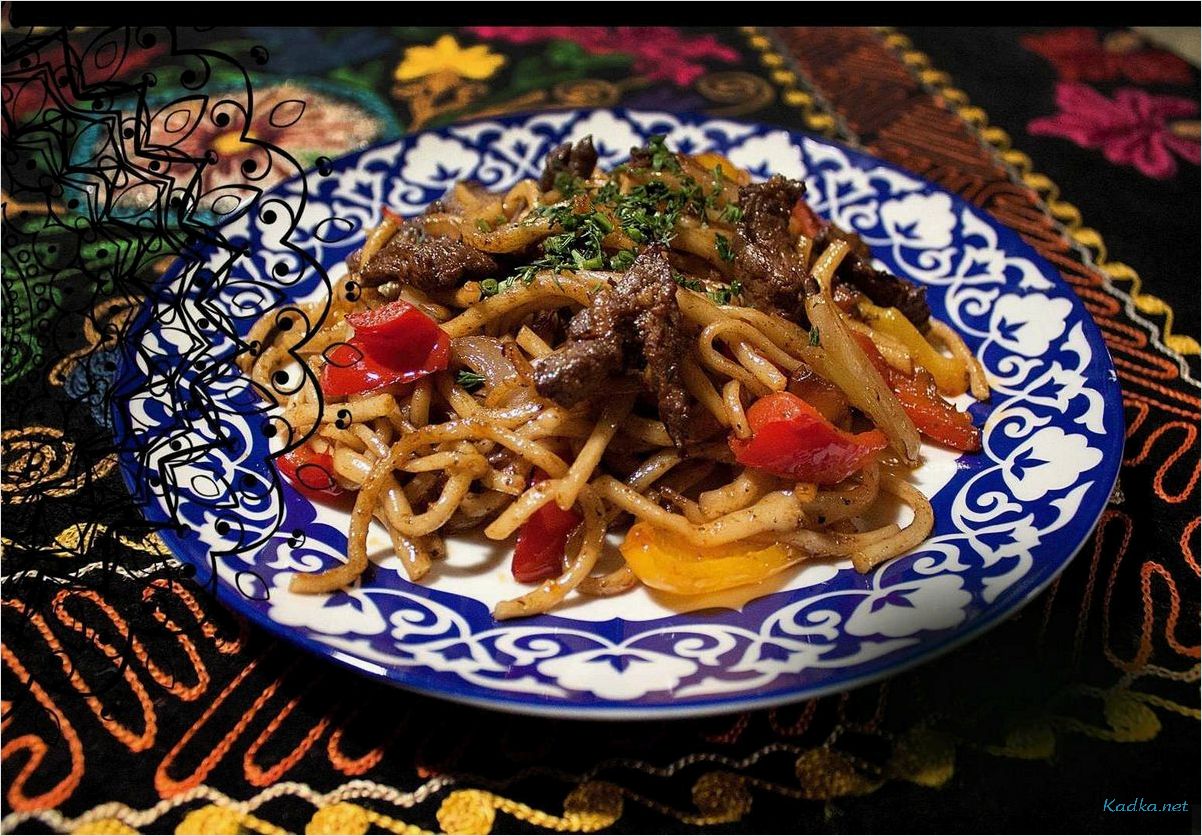
Oriental Magic in Every Bit
Eastern magic in every bit
Uyghur Cuisine: A Fusion of Cultures and Traditions
Uyghur cuisine: a fusion of cultures and traditions
Uyghur lagman – an original recipe with an exquisite combination of aromas and spices
Uyghur lagman – an original recipe with an exquisite combination of aromas and spices