Everything You Need to Know About Putting Together First Aid Kits for Home, Car, and Travel
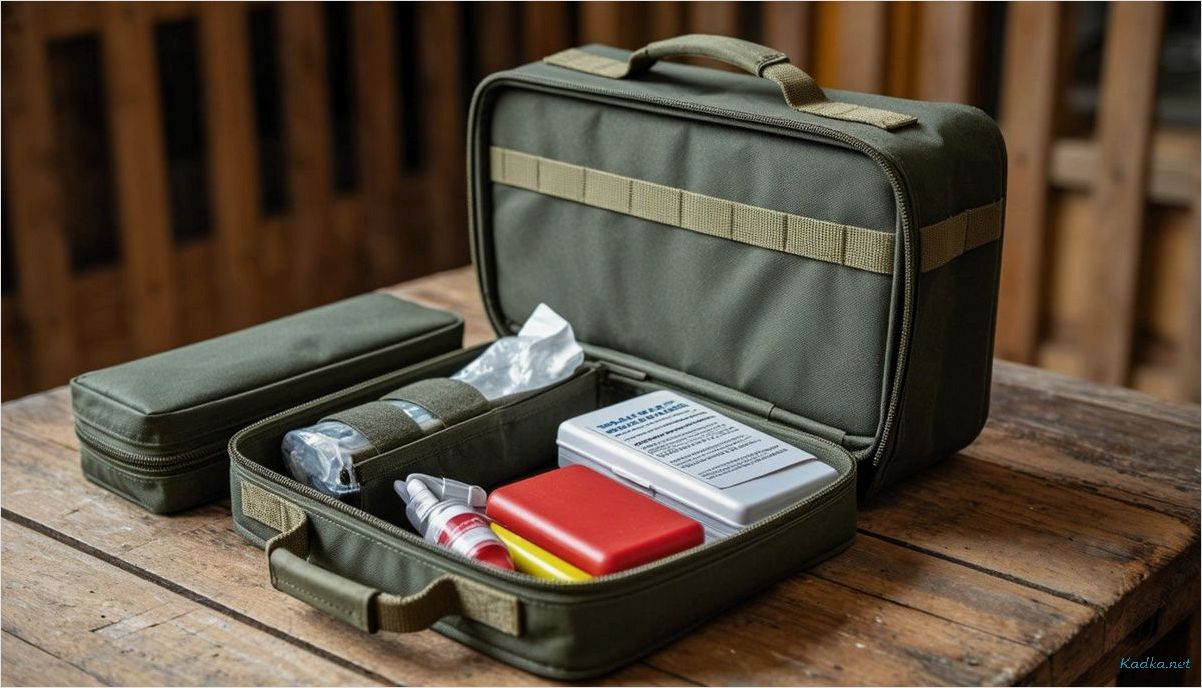
When putting together a first aid kit, start by considering the specific risks involved. For example, when traveling by car, you’ll want to include KFT bandages, adhesive bandages, antiseptics, and motion sickness medication. In addition, you should include items to stop bleeding, burn cream, and anti-inflammatory ointments. This is the basic kit to ensure comfort and safety on the road.
Article contents:
a home first aid kit requires attention to any chronic conditions that family members may have. Make sure to include prescription medications, pain relievers, fever reducers, bandages, and sterile wipes. Don’t forget a thermometer and antihistamines for allergic reactions. It’s important to regularly check the expiration dates of all items.

For sporting events, a compact first-aid kit focused on injury-prone situations is ideal. Elastic bandages, cooling sprays, ointments for bruises, and pain relievers will come in handy here. Include band-aids and antiseptics in the kit to treat any scrapes or cuts.
An emergency kit, such as one for hiking, should be as versatile as possible. In addition to medications, it is recommended to include splints for immobilizing fractures, a first-aid kit, and medication for intestinal disorders or dehydration. Focus on lightweight yet effective solutions that take up minimal space.
A properly assembled first-aid kit helps prevent problems from getting worse and allows you to respond quickly in any situation.
Minimum set of medications and tools for travel
Be sure to bring pain relievers and fever reducers (based on acetaminophen or ibuprofen), anti-diarrheal medication (such as loperamide), and activated charcoal to treat potential food poisoning. Don’t forget antihistamines in case of allergic reactions, such as loratadine or suprastin.
Tools: What to Include
A simple yet versatile set of tools enhances the functionality of your first-aid kit. Include high-quality nail scissors, tweezers for removing splinters, or forceps. It’s also a good idea to include a medical thermometer (digital or mercury). A compact spray bottle A KFT splint is also a useful addition for supporting limbs in case of injury—it takes up minimal space.
Personal protective equipment—disposable gloves, masks, and antiseptic wipes—will help maintain cleanliness and safety while providing assistance. Add a small headlamp, which will be especially helpful in the dark. If you’re planning an active vacation, make sure you have joint support supplies (athletic tape).
Additional Recommendations
Check the expiration dates on every medication and item in the first-aid kit. Store everything in a waterproof and shock-resistant container. Organize the kit so that essential items, such as antiseptic and bandages, are easily accessible. This basic kit will ensure you’re prepared for unexpected situations while traveling.
School First Aid Kit: What You Need to Ensure Children’s Safety
A school first aid kit should be stocked to provide immediate assistance to a child in case of injuries, illness, or other emergencies. Start by ensuring you have modern dressing supplies: sterile bandages, gauze pads, and antibacterial band-aids in various sizes. This will help quickly treat minor cuts or scrapes.
How to Prepare for Serious Injuries?
To immobilize possible fractures, add the following to the first-aid kit: splints from KFT they are lightweight, easy to use, and suitable for initially immobilizing an injured person. Also include a rubber or medical tourniquet to stop bleeding and an elastic bandage to immobilize joints. All of these items will come in handy until medical help arrives.
First Aid Medications
Fever and allergic reactions are the most common reasons children seek medical help. To treat these, your first aid kit should include paracetamol-based fever reducers and antihistamines in tablet or syrup form. Don’t forget to include antiseptics: chlorhexidine or hydrogen peroxide for treating wounds, as well as hand sanitizer. To relieve symptoms from insect bites, an antihistamine product—such as a gel—will come in handy.
In addition, make sure to include supplies for treating thermal burns. Special sprays or gel dressings are suitable. Another important item is absorbents, such as activated charcoal, to counteract the effects of food poisoning.
In addition to the standard kit, make sure the first-aid kit is regularly updated and that all medication expiration dates are strictly observed. Also include a list of all items contained in the kit and instructions for their use. This will help reduce the time spent searching for the right medication and minimize errors.
Contents of a car first aid kit for city and long-distance trips
Recommended items:
- Tourniquet: essential for stopping bleeding from injuries sustained in a car accident. Choose modern models with convenient fasteners.
- Antiseptics: Alcohol wipes and solutions are suitable for the road, and for long trips, supplement the first-aid kit with chlorhexidine or Octenisept.
- Band-Aids: A set of adhesive bandages in various sizes (with an antibacterial coating) will come in handy for minor cuts.
- Burn treatments: A gel bandage or a dexpanthenol-based ointment will help with burns that may occur while working on the engine or from prolonged sun exposure.
- Pain relievers: Include acetaminophen or ibuprofen. For a trip to the countryside, it’s worth adding antispasmodics such as drotaverine.
- KFT splints : essential for limb injuries. Easy to use even in the field.
- Antihistamines: Allergy tablets or gel can be useful for insect bites or reactions to plants.
- Thermometer: Opt for digital models for ease of use.
- Gloves: Two or three pairs of sterile latex or nitrile gloves will protect your hands when providing first aid.
- . Bandaging supplies: bandages of various widths, sterile gauze pads, and self-adhesive bandages.
- . Motion sickness medication: it’s important to have medication on hand in case of nausea, especially if children are traveling with you.
- . Insect repellents: Add insect repellents to your travel first-aid kit to avoid bites or discomfort on the road.
Regularly check the expiration dates of medications and the condition of bandaging supplies to ensure your first-aid kit is always ready for use.