Binge Drinking: Treatment at Home and in a Hospital

Today, alcoholism remains one of the most critical challenges in medicine. Information This term refers to a condition characterized by an intense physiological and psychological craving for alcohol. Binge drinking is considered one of the characteristic symptoms of alcoholism. In this context, we will discuss alcoholism from a treatment perspective, but specifically regarding detoxification
article contents:
as we have already mentioned, the issue of the contradictory nature of alcoholism remains very acute in the modern world. While men used to be the primary patients, women suffering from this disease are now increasingly common. In 2018, researchers at the F. Voino-Yasenetsky Krasnoyarsk Municipal Medical Institute conducted a study that identified a malignant form of alcoholism characteristic of women—the absence of a gradual progression of the disease, acute psychoses, and personality degradation.
What is a binge?
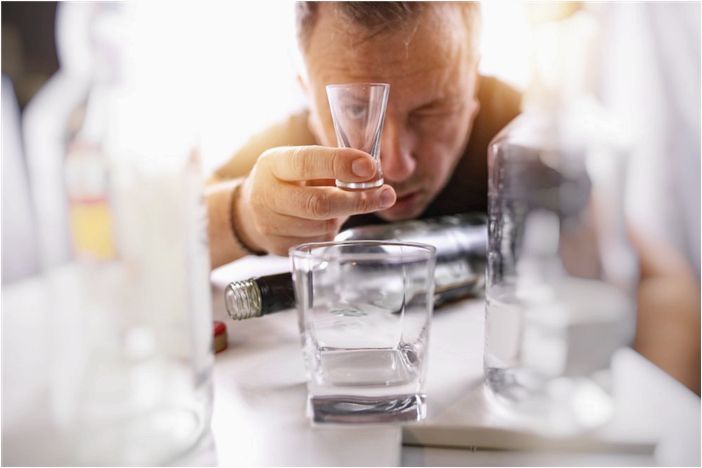
A binge drinking episode refers to a situation in which a person, despite their reservations about alcohol, consumes alcohol over the course of several days and nights, months, or even years, leading to the development of acute alcohol intoxication. Sometimes binges can occur in people regardless of the availability of alcoholic beverages; however, such episodes are sporadic.
As a rule, binges occur during stages 2 or 3 of alcoholism. They occur with a certain cyclical pattern. First, the person experiences an intense craving for alcohol and drinks large amounts of it. In the following days, the amount consumed decreases, but drinking becomes more frequent. As the intoxication wears off, the patient experiences physical and psychological discomfort, which compels them to drink a little more. At the same time, they may feel aversion to alcohol but are unable to do without it.
As a result of prolonged alcohol use, the entire body is subjected to significant stress, leading to various disruptions in the functioning of internal organs.
Features of withdrawal from a binge at home and in a hospital setting
A binge is characterized by a series of events. If the binge lasts at least 7 days, there are no significant neurological, somatic, or psychological differences between these episodes, and the patient is under 60 years of age, a transition from one binge to another is permitted. In all other situations, the bedridden patient must be taken to the hospital.

First and foremost, the patient undergoes detoxification procedures, which include intravenous administration of glucose, saline solutions, magnesium, and other pharmaceutical substances.

In addition, you have the option to administer:
- Vitamins (especially B vitamins and ascorbic acid);
- Psychotropic drugs, such as diazepam;
- Nootropics;
- Symptomatic agents, such as antihypertensives or antispasmodics, antacids, and many others.
At the end of the procedure, the doctor prescribes medications that the patient must take for a specific number of days, explains the criteria for administration and the correct dosages to the patient’s family, and provides guidance on the subsequent strategy for freeing the person from their hopeless addiction.
If a loved one has been diagnosed with alcoholism, don’t assume that alcohol detoxification is the only way to help them quit drinking. Detoxification alleviates the person’s condition, but it will never cure alcoholism. In essence, it is merely the first step on the path to recovery. If a person is seriously committed to leading a healthy life, one of the best approaches for them is to check into a hospital after a certain number of days of abstinence, during a period of sobriety. It’s best to see a specialist as soon as possible to treat alcoholism, which will most likely eliminate the pathological craving on its own and for good.