A Cosmetic Clinic in Your City: Facial and Body Treatments
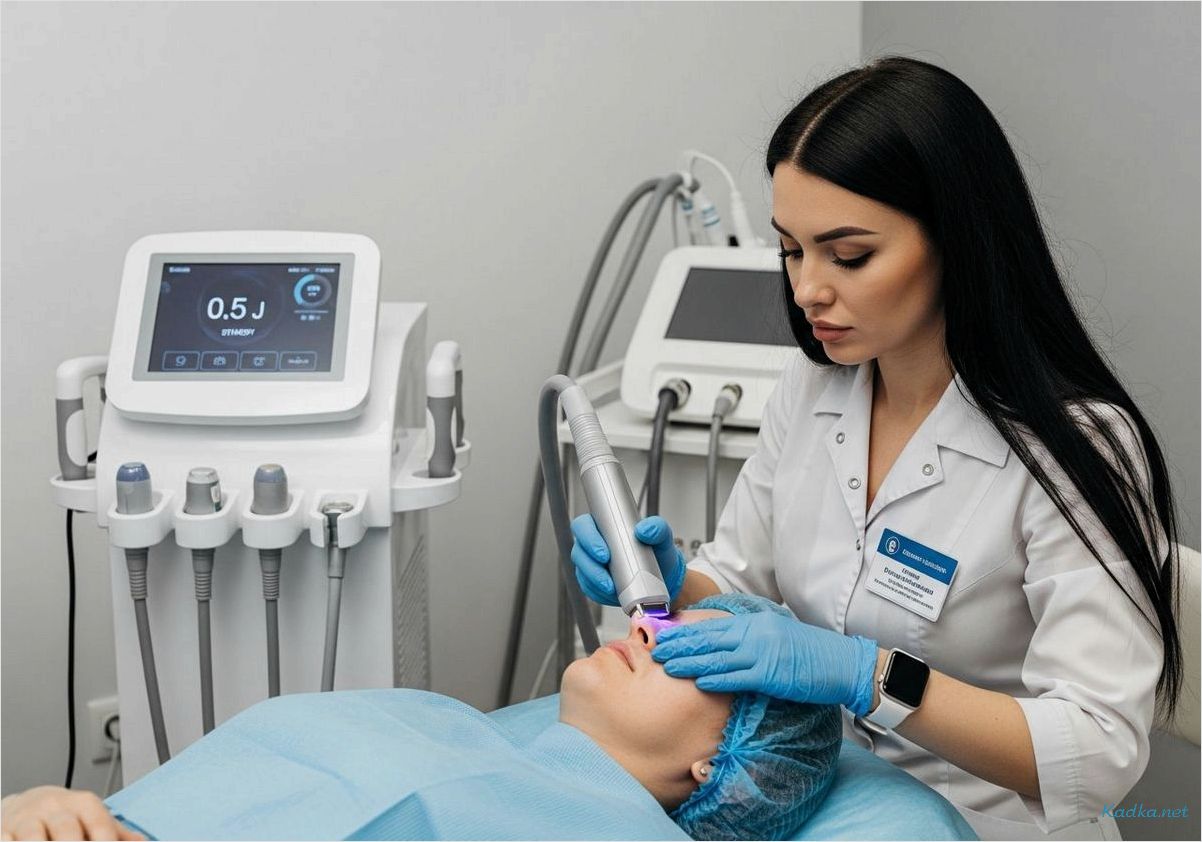
A cosmetic clinic is a specialized medical facility that offers a wide range of services designed to enhance appearance and provide skin care. The primary goal of such a clinic is to help patients achieve their desired results in aesthetic medicine and maintain youthful, healthy skin.
Article contents:
cosmetic clinics employ highly qualified specialists, such as dermatologists, cosmetologists, and surgeons. They diagnose skin conditions and offer personalized treatment and care plans. Cosmetic clinics offer a wide range of procedures: from simple treatments, such as facials and moisturizing masks, to more complex procedures, including Botox and hyaluronic acid injections and laser therapy.
The cosmetic clinic also offers body contouring and hair removal services, allowing patients to take a comprehensive approach to their beauty goals. The emphasis on safety and the use of modern technologies makes such clinics popular among people seeking to improve their appearance with minimal health risks.
Choose the “Laser Plus” clinic, which immediately displays pricing ranges, doctors’ full names, and their current certifications, and records the treatment plan in your chart during the consultation. Compare services based on clear criteria: medication/device, scope, treatment areas, and number of sessions. For laser procedures, ask for the device model and flash/tip parameters to be specified in the treatment plan—this makes it easier to compare offers from different clinics.
If you are interested in removing growths , clarify the method (laser, radiofrequency, cryotherapy, surgery), the need for a dermatoscopy, and whether the tissue will be sent for histology. Ask for the price per lesion and for a package, as well as what is included: local anesthesia, dressing, and follow-up examination. The price of the procedure depends on the size and location, so it is best to request a quote based on photos and an in-person evaluation.
Verify specialists without guesswork: check for a degree, residency/further training in dermatology and cosmetology, the validity of their accreditation, and experience with your specific procedure. Filter reviews by details: date, description of the issue, “before and after” photos, the clinic’s response to complaints, and adherence to follow-up schedules. Trust those who describe specific steps—consultation, informed consent, aftercare recommendations, and clear communication after the procedure.

Company contact information
- Esma LLC
- OGRN 1122468032070
- INN 2465273389
- Legal address: 350049, Krasnodar Krai, Krasnodar, Atarbekov St., 52, apt. 6
Cosmetic clinic: services, prices, specialists, and reviews
Services: what to clarify before booking
For injections, ask for the name of the product and the volume per area before paying: for Botox—the brand and number of units; for fillers—the concentration and syringe volume; for biorevitalization—the composition and course (usually 2–4 procedures every 2–4 weeks). For device-based procedures, clarify the device model and consumables: for laser procedures, this includes the wavelength type and handpiece; for RF/ultrasound, confirm the availability of disposable cartridges and their cost.
If you’re planning to have a growth removed, ask for the procedure details in advance: who will perform the dermatoscopy, when the tissue sample will be taken for histology, which areas will be treated (face/eyelids/genital area), how the wound will be treated, and what restrictions apply regarding sun exposure and exercise. Clarify what is included in the price: anesthesia, dressing, a follow-up examination in 7–14 days, histology (if needed), and a medical certificate for the pool or work.
Prices, specialists, and reviews: how to quickly eliminate risks
Compare prices not by “procedure,” but by unit of measurement: botulinum toxin—price per unit and minimum set per area; fillers—price per 1 ml and separate cost of the cannula; laser—price per flash or per clearly defined area. Ask for a receipt listing all items and the serial numbers of the products: the clinic will transfer the labels from the packaging to the patient’s chart without any issues.
Check the specialists’ credentials: valid certification/accreditation in dermatology and/or cosmetology, experience with the specific procedure, photos of work taken under consistent lighting and angles, and their willingness to discuss risks and a plan for correction. In reviews, look for facts: healing times, the clinic’s response to complications, follow-up visits, and refunds or touch-ups under warranty. Ignore reviews without details and “perfect” testimonials, and trust those that specify the procedure, date, doctor, and results after 2–4 weeks.
How to choose a clinic based on the list of procedures: injections, advanced cosmetic treatments, skincare programs, and laser treatments
Check the list of procedures against the clinic’s license and the doctors’ qualifications: injections and laser treatments must be performed by a dermatologist/cosmetologist, not by a “clinic specialist” without medical training.
- Injections (botulinum toxin therapy, contouring, biorevitalization, mesotherapy)
- Ask to see certificates for the medications and labels from the packaging to be affixed to your medical record: name, batch number, expiration date. If they refuse, that’s a reason to choose another clinic.
- Clarify the aseptic protocol: disposable needles/cannulas, skin preparation, waste disposal, availability of anti-shock equipment, and the protocol for handling complications.
- Check whether they take “before/after” photos and provide written recommendations for 7–14 days (restrictions, follow-up visit, warning signs).
- Ask about the correction plan: dosages in units, injection sites, expected duration of effect, and whether touch-ups are allowed. An answer like “we’ll see” without specific numbers is a bad sign.
- Clarify whether the clinic offers ultrasound guidance for complex filler areas and has experience managing vascular risks (nose, nasolabial area, glabella).
- Non-invasive cosmetic procedures (RF, ultrasound, microcurrents, HIFU/SMAS, IPL)
- Ask them to specify the model of the device and show you the medical device registration certificate. Simply stating that it is an “equivalent” without providing documentation is not sufficient.
- Clarify which consumables are disposable (attachments, needles, cartridges) and how they are labeled in your presence before opening the package.
- Check whether skin parameters are measured before the procedure: skin type, sensitivity, tendency toward pigmentation, use of retinoids/anticoagulants, and herpes status.
- Compare treatment plans: the specific number of procedures, intervals, criteria for stopping the course, and combination with injections and at-home care.
- Skincare programs (cleansings, peels, masks, post-procedure care)
- Choose a clinic where treatments are prescribed based on your skin diagnosis: acne, rosacea, seborrheic dermatitis, dehydration, hyperkeratosis. A “one-size-fits-all” approach reduces results.
- Clarify the depth and composition of peels (acids and concentrations), seasonal considerations, the need for preparation and recovery, and the list of restrictions for 3–10 days.
- Check how they treat sensitive skin: patch tests, gentle protocols, and avoiding aggressive mechanical cleansing for rosacea.
- Ask about the at-home regimen: specific products, routine, and follow-up schedule. Professional care without an at-home regimen often yields only short-term results.
- Laser treatments (rejuvenation, vascular issues, pigmentation, hair removal, resurfacing)
- Check whether the doctor is certified to operate laser equipment and has received training on the specific system.
- Ask whether they perform a test pulse and how they determine the settings: Fitzpatrick skin type, season, tanning, and tendency toward post-inflammatory hyperpigmentation.
- Ask about pain management and recovery: how redness/swelling is treated, which products are permitted, and when you can resume sports, use the sauna, or sunbathe.
- If you plan to have lesions removed, find out: who performs the examination (a dermatologist), whether a dermatoscopy is performed before the procedure, whether tissue samples are sent for histology when indicated, and what restrictions apply to removal without verification.
- Clarify which laser will be used for your specific treatment: different wavelengths are required for blood vessels and pigmentation; a “one-size-fits-all” laser often means compromising on safety and results.
Create a “treatment plan” for 3–6 months and choose a clinic where the doctor integrates injections, device-based methods, skincare, and laser treatments into a single plan with dates, restrictions, and checkpoints, rather than offering isolated services as special promotions.
How to compare prices: what’s included in the cost—consultation, tests, supplies, treatment course, and promotions
Compare prices only for identical “packages”: ask clinics for quotes based on the same treatment area, volume (ml/unit), number of pulses/lines, type of anesthesia, and number of visits, and then compile all the details into a table.
What should be included in the price
1) Initial consultation. Clarify whether it is charged, whether it is included in the cost of the procedure, and how long the appointment lasts. Ask for a list of what is included: medical history review, skin examination with dermatoscopy/Wood’s lamp if indicated, “before/after” photo documentation, and a treatment plan with intervals. If the consultation is “free,” check the conditions: it is often valid only if you pay for the procedure on the day of your visit.
2) Tests and examinations. Ask in advance for a list of tests required for your service: for example, a coagulogram may be requested before injections; if you are prone to herpes, a prevention regimen may be required; and before certain laser procedures, an assessment of your skin type and any contraindications may be needed. It is important to understand where to have the tests done—at the clinic or at an external laboratory—and whether the doctor’s interpretation of the results is included.
3) Supplies and medications. Ask for the brands and quantities of the following: syringes/cannulas, anesthetic (cream or injectable), antiseptic, disposable sheets, applicators, safety goggles, and post-procedure cream/mask. For injections, specify the exact product and quantity (for example, “1 ml of a specific filler brand” or “N units of botulinum toxin”), rather than a vague description like “per area.”
4) Device settings for the procedure. For laser and RF treatments, ask about the device model and how the price is calculated: by treatment area, by pulse, by time, or by the number of treatment lines. Ask for the range of settings and the average number of passes—this helps you compare “cheaper per session” options with “more expensive but with higher treatment density” options.
5) Post-procedure care. Find out if the service includes a follow-up examination, dressing changes, suture removal (if applicable), home care recommendations, and contact with a doctor in case of a reaction. For lesion removal services, specifically clarify whether histology is included, the cost of tissue sampling, the timeframe for receiving results, and a follow-up examination.
How to calculate the cost of a treatment course rather than the “price per visit,” and how to check for promotions
Calculate the total cost of the treatment course. Ask for a treatment plan: the number of procedures, the interval between them, follow-up visits, and the estimated amount of medication needed for the entire period. Summarize the calculation into a single figure: “a 3-month/6-month course” or “until results are achieved.” Sample questions: how many milliliters will be needed per course; how many sessions are required for the treatment area; what constitutes “follow-up care” and how much it costs.
Check the terms of the promotion. Make sure to note: the validity period, whether appointments can be rescheduled, whether the discount applies to a specific specialist, whether consumables are included, and whether the price applies to follow-up visits. If the promotion is “30% off the procedure,” clarify whether anesthesia, attachments, histology, or follow-up visits are excluded—these items are often added to the bill.
Ask for a final estimate in the message. Have the administrator or doctor send a detailed breakdown: consultation, tests, procedure, supplies, medications, follow-up, histology (if needed), discount, and total. This way, you can compare clinics based on the same set of services and avoid additional charges on-site.
How to check specialists and reviews: licenses, certificates, experience, before-and-after photos, independent platforms, and signs of fake reviews
Verify the doctor by name: ask for scans/photos of their diploma, residency (or professional retraining), current accreditation, and certificates for specific procedures (laser, injections, device-based protocols). It is standard practice to present these documents during a consultation and provide the accreditation number. If, instead of a full name, they only refer to a “leading specialist” or “clinic expert,” look for a matching name in independent sources and clarify exactly who will be performing the procedure, rather than who is “supervising” it.
Don’t judge a doctor’s experience based on the years listed in their profile header, but rather on actual clinical practice: what types of cases do they regularly treat, how do they manage complications, where do they receive training, who are their mentors, and do they have any presentations or publications on the subject? During the consultation, ask three direct questions: what are the risks of the procedure specifically for me, what is the plan of action in case of side effects, and what contraindications do you check for and how do you confirm them? The doctor should give specific answers and record the information in the medical chart; evasive answers and a blanket “you’re definitely eligible” without further clarification are a bad sign.
Look at “before/after” photos only if they are consistent in detail: same angle, lighting, distance, facial expression, no filters, specified timeframes (after 2 weeks, 2 months), dosage of the product/device energy, and number of sessions. For issues like scar correction or post-acne treatment, ask for a series of photos showing each stage, not just one “perfect” pair. For removing growths, a clear protocol is more important than a visually appealing photo: pre-treatment dermatoscopy, removal method, histological analysis of the material when indicated, aftercare, and follow-up schedule.
Collect reviews from independent platforms and cross-reference them: review aggregators, maps (Yandex/2GIS/Google), specialized forums, and social media. Don’t look for “I liked everything” comments, but rather recurring details: doctors’ names, procedure names, dates, descriptions of recovery, and the clinic’s response to complaints. A good sign is when the clinic’s responses are polite and to the point: they invite you for a consultation, acknowledge your inquiry, avoid making accusations, and do not disclose medical information.
Filter out fake reviews based on simple indicators:
1) Lots of generic praise without specifics, short texts with identical phrasing and punctuation.
2) A series of reviews posted within 1–3 days, especially about different doctors and different services.
3) Accounts with no history, no other ratings, and only a single review of the clinic.
4) “Perfect statistics” with no neutral comments: in real life, you’ll also find 4-star reviews with remarks about appointments or parking.
5) Aggressive responses from the clinic to negative feedback and attempts to move the conversation to private messages without offering an in-person discussion.
Ask the clinic to show you how they handle informed consent and medical documentation: these should list the risks, alternatives, post-procedure restrictions, and a follow-up plan. If they ask you to sign the consent form “without reading it” or the documents aren’t tailored to your specific procedure, choose another place.
Final check—a quick transparency test: ask for the doctor’s full name, what medication or equipment they use, the serial numbers of consumables (upon request), and what the follow-up examination includes. A clinic that answers these questions calmly and puts agreements in writing usually operates with the same level of care in the treatment room.