Selective diagnostic curettage — what makes this procedure unique
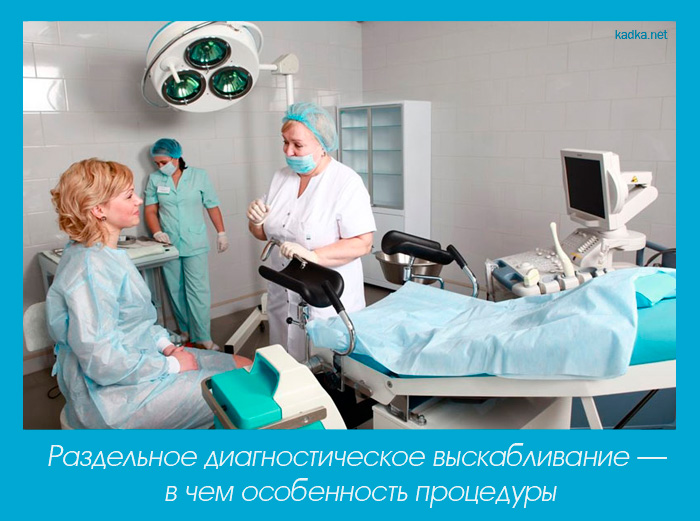
Selective diagnostic curettage is prescribed for patients who are at risk of developing cancer, or when the doctor has difficulty making a diagnosis.SDC allows for the collection of a scraping from the inner surface of the uterus or the cervical canal for further histological examination of the samples.
Preparation for the procedure
Although a selective diagnostic curettage is a simple procedure, it still requires certain preparatory steps. These are designed to prepare the patient’s body and facilitate the procedure.
- A few days before the curettage, you must stop taking medications and undergo all necessary tests. In some cases, a blood clotting test may be ordered.
- During this period, you should refrain from sexual intercourse.
- One day before the procedure, you should stop douching, if you have been doing so. At the same time, you should not use scented soaps or gels, vaginal suppositories, or various sprays.
Performing the curettage
Every woman wants any medical procedures to be performed by an experienced and highly qualified doctor using state-of-the-art equipment. This gives her confidence that everything will be handled to the highest standard. At the “Extra” Medical Center, every condition is in place to ensure that patients are confident in a positive outcome of selective diagnostic curettage, the price of which is lower than at other similar clinics. Local anesthesia is always administered to minimize discomfort.
Selective diagnostic curettage is performed using a special instrument that is inserted into the uterine cavity, allowing for a visual assessment of the condition of the organ’s inner surface and subsequent control of the procedure. First, the doctor scrapes the endometrium from the cervical canal, and then from the uterine cavity.
Uterine curettage is the removal of the layer lining the inner surface of the uterus, the endometrium. It is prescribed not only as part of a diagnostic curettage but also as a standalone procedure.
Indications for a D&C include frequent and heavy uterine bleeding, inflammatory conditions in the reproductive system, and spontaneous abortion. At the “Extra” Medical Center, you can undergo a D&C prescribed by a gynecologist; the cost can be confirmed during your appointment or by calling the contact number.

How Dilation and Curettage Is Performed
Many women find it easier to decide on the procedure if they understand what will happen to them next. During the procedure, the surface layer lining the uterus is removed, and the tissue sample is sent for histological examination. A visual examination performed by the doctor during the procedure using a hysteroscope aids in making an accurate diagnosis.