Common Methods of Dental Restoration
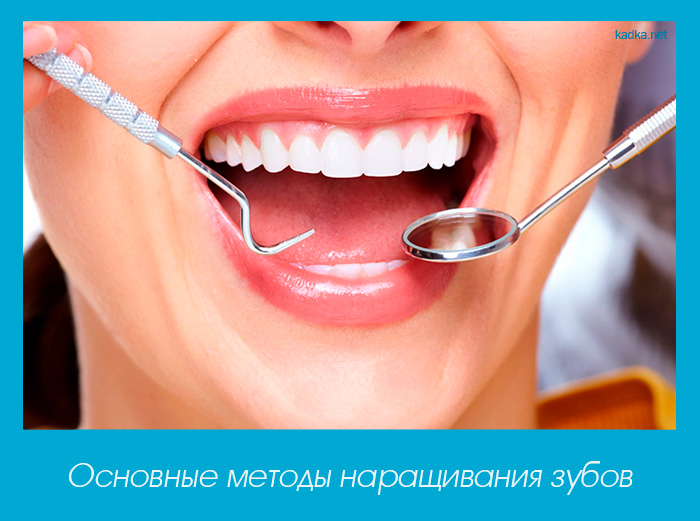
When oral health problems arise, such as dark spots on the enamel, cavities, bleeding gums, or a chipped tooth, you can’t do without a dentist’s help. The pain of a toothache is simply unbearable, and not everyone can endure such suffering. If you ignore the pain and put off a visit to the dentist, you may not only lose a tooth but also worsen your overall health. That’s why it’s best to seek help immediately at the first sign of pain. If you’ve missed the window and sought treatment too late—it’s not the end of the world. Thanks to new technologies and advances in dentistry, you will be offered a suitable solution, such as dental bonding. The 32Dent clinic provides a detailed description of the dental bonding procedure, where you will learn about all the advantages and disadvantages of various techniques.
Common Methods of Dental Restoration
Modern technology can restore your dazzling Hollywood smile and make your teeth snow-white and stunning. Let’s take a look at how this works, how much the procedure costs, and find out if tooth lengthening is painful. Every patient who undergoes a course of cosmetic dentistry treatment ends up with a charming smile.
Indications for the procedure
Teeth can only be whitened after consulting with a dentist. The correction method may not be suitable for everyone, so you need to talk to your dentist before changing the shape of your teeth or undergoing teeth whitening.
Indications for teeth whitening:
- Discoloration and stains. The appearance of stains on the teeth indicates a vitamin deficiency in the body and possible serious oral health issues.
- Trauma. Bone tissue is fragile in structure and can be easily damaged; sometimes even a slight impact is enough. If you experience the slightest discomfort when closing your jaw, do not delay a visit to the dentist.
- Cracks or chips. Front teeth are most commonly affected by this, as they bear a heavy load. If you ignore minor defects, you may lose an entire tooth in the future, and the restoration will cost more.
- Diastemas and gaps. The problem of gaps between teeth is easily eliminated and resolved by installing veneers or lumineers.
- Tooth decay and other issues. Various infections can lead to enamel erosion. The tooth restoration procedure involves comprehensive treatment and the placement of a filling.
Contraindications for dental bonding:
- allergy to medications;
- Persistent salivation around the tooth;
- Teeth grinding.
The photo shows a method for building up a tooth without a root. Learn about tooth regeneration options.
Light-cured filling
One method of tooth restoration is placing a filling on the affected tooth. This preserves the nerve in the tooth, meaning the tooth remains alive. A single visit to the dentist is all it takes to restore your tooth. The filling procedure is performed in several stages:
Hygiene. For a high-quality filling, plaque is removed from the tooth enamel and the color of the filling is selected.

Preparation. The area around the tooth is numbed, and the treatment process begins: removal of cavities, dark spots, and old filling material.
Restoration. Application of the filling to the affected area. Only a highly skilled professional can handle this task, capable of giving the tooth the correct and attractive shape.
Final correction. This is the final phase, which makes your tooth smooth through the grinding and polishing of the enamel.
How long your teeth remain snow-white and healthy depends primarily on your daily oral care routine. You can see how front teeth are restored using the filling technique in the video below.