Fly Agaric: Description, Medicinal Properties, How to Take It, and Dangers
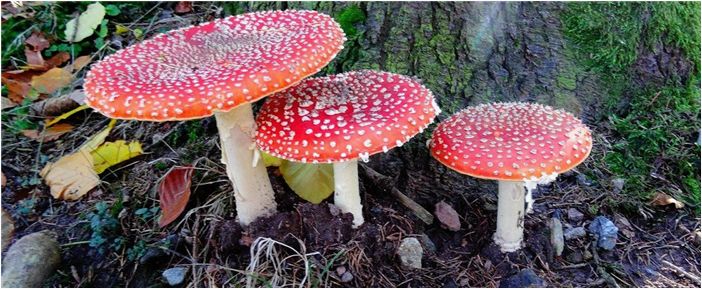
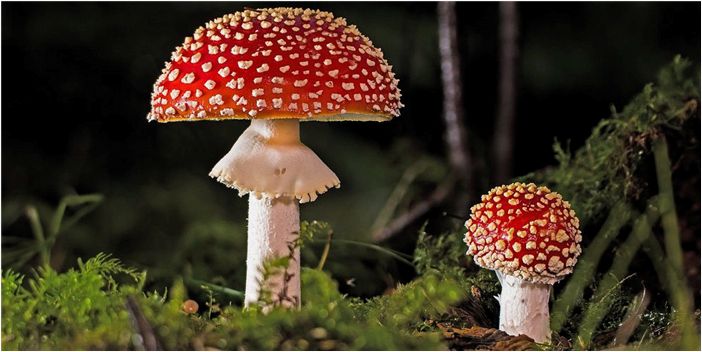
Its red cap stands out, as if warning of danger. This distinctive feature helps prevent the mushroom from being mistaken for anything else. Perhaps no other mushroom is as well-known for its hallucinogenic properties. It causes severe intoxication, with potentially fatal consequences. However, the fly agaric possesses many beneficial and medicinal properties. Let’s take a closer look at the red fly agaric, while also mentioning other species.
Article Contents:
- General Characteristics
- History and Habitat
- The Fly Agaric in Ancient Culture
- Chemical Composition
- Varieties
- Symptoms of Poisoning: First Aid
- Are Toadstools Edible?
- Health Benefits of Toadstools
- Microdosing fly agarics
- Contraindications
- Traditional medicine recipes for various ailments
- How to properly collect, prepare, and store fly agaric
- Interesting facts and myths
- Where to buy fly agarics and how much they cost
- Conclusion
General Characteristics
The red fly agaric, also known as Amanita muscaria, is a psychoactive poisonous mushroom. Our ancestors called it the “mischief-maker,” “old man,” and so on. The cap of a young mushroom is hemispherical, while that of a mature mushroom is flat, slightly concave, and less than 20 centimeters in diameter. The color can vary from red to bright red. The skin has a thin white layer resembling a coating.
The flesh beneath the skin is pale orange, but may change color when exposed to air. The stems are cylindrical in shape, with a thick base and a white or pale yellow color. Depending on the mushroom’s age, they reach 5–20 cm in height and up to 2 cm in width.
- Cordyceps: types, medicinal properties, description;
- Cordyceps: what makes this mushroom unique? Description of beneficial properties.
History and Habitat
The first mention of the mushroom appeared in 1256. Later, its scientific name was different—“fly mushroom”; the fly agaric had the ability to get rid of flies, hence the name. Due to its toxic odor, the insects soon died. However, this is merely a hypothesis, and in practice, things are not quite as they seem. A lot of water accumulates in the cap, containing the alkaloids that make up the mushroom. When flies drink it, they fall asleep and are simply absorbed into the liquid.
The red fly agaric can be found anywhere—in deciduous, mixed, and coniferous forests. Most prefer to grow in deciduous and white-soil areas. It is here that the soil is more acidic. They grow alongside honey mushrooms, russulas, boletes, and other mushrooms.
Fly agaric mushrooms grow from early summer until the blooming season. They are found singly or in small groups. In Russia, they can be found in almost every grove and forest. Since the fly agaric is poisonous, it may only be collected for medicinal purposes.

The Fly Agaric in Ancient Culture
Numerous ancient records have survived, indicating that our ancestors not only knew of the existence of the fly agaric and its potency, but also actually used it. In addition, tribes used mushrooms for shamanic rituals. The hallucinogenic fly agaric helped them find their way in the spirit world. It is worth noting that in German culture, mushrooms are still considered symbols of good luck.
African indigenous peoples also used mushrooms for their own purposes. The same applies to the inhabitants of Japan, India, China, and other peoples of Siberia and Scandinavia.
Ancient records also indicate that our ancestors understood just how dangerous and toxic they could be. For example, Siberian shamans never ate raw mushrooms. They fed them to reindeer and drank the animals’ urine during rituals. The concentration of substances from the fly agaric was sufficient but not dangerous to health.
From an early age, children are taught that bright and distinctive mushrooms are full of danger. However, the red fly agaric is a clear example of how, depending on the dosage, they can be both beneficial and harmful.
Chemical Composition
The chemical composition of this mushroom has not been fully studied, even though its existence has been known for hundreds of years. So what exactly is in the red fly agaric? According to information provided by scientists, its composition can be described as follows. About the red fly agaric, reviews vary, so I recommend studying them thoroughly.
- Betaine;
- Chitin;
- Essential oils;
- Toxic alkaloids;
- Muscarpine pigments.
There are several psychoactive substances, most of which are found in the mushroom cap or its red film.
For many years, muscarine was considered the primary hallucinogen. However, in 1960, several Swiss and Japanese scientists, independently of one another but almost simultaneously, concluded that these substances are or were the basis for similar properties.
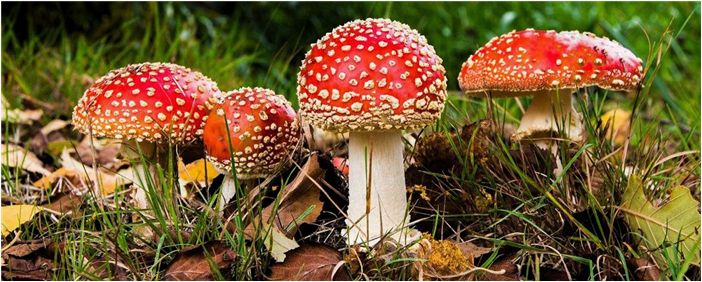
As for muscarine, when ingested in large quantities, this substance causes intoxication, blood pressure drops, breathing difficulties arise, pupils constrict, and the pulse weakens.3 A kilogram of fly agaric contains a lethal dose of muscarine.
The main active ingredient is muscimol. This component has several properties.
- Psychoactive;
- Sedative;
- Hypnotic;
- Dissociative.
To minimize toxic effects, the mushrooms should be dried beforehand. However, this process increases the concentration of hallucinogenic substances.
Varieties
Many believe that there is only one species of Amanita muscaria (the fly agaric). This implies that it cannot be confused with other mushrooms. In reality, this is not the case.
Red Fly Agaric
The main warning regarding this mushroom is as described above. If consumed, danger is inevitable. It causes suffocation. It also leads to gastrointestinal disorders. Fatal outcomes have been reported. A lethal dose is reached after consuming 5–15 fly agaric mushrooms.
Bright Yellow Fly Agaric
Another poisonous mushroom that almost always causes death. The cap is bright yellow, with a snow-white, scaly surface that feels rough to the touch. Under the gills, the cap changes color as it grows.
The stems are fragile and velvety. In mature amanita mushrooms, the rings may disappear completely. The base of the stem is widened. This is a characteristic feature of the amanita.
Panther Toadstool
This is a spring mushroom; its other name is the leopard toadstool. It is not suitable for consumption. Even a small dose leads to poisoning, and the consequences are dire. The flesh has a pleasant smell. It is found in coniferous and deciduous forests.
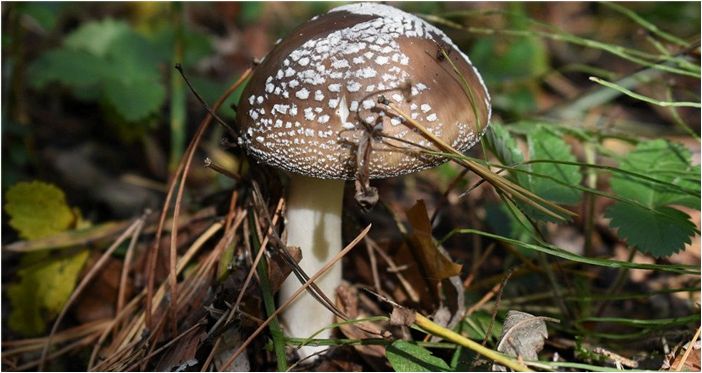
The caps reach 9 centimeters in diameter and are grayish-brownish-black in color. The surface has white spots or warts, as many people call them. The smell of the flesh resembles that of radish. The stems reach 13 cm in length.
Puffball-like Toadstool
Many plants, such as the lemon, are not eaten. Until recently, they were considered poisonous, but scientists have since removed them from that list and reclassified them as inedible. They have an unpleasant odor and taste similar to raw potatoes. They were given this name because they closely resemble resin.
The cap is less than 10 cm in diameter. In young mushrooms, it takes on a yellow-green color, as its color is of great significance. The edges of the cap resemble scales. The stem is 12 cm long, thin, and fragile.
Orange Mushroom
After proper heat treatment, the mushrooms can be eaten, but they remain poisonous nonetheless. In young mushrooms, the cap is egg-shaped. As it grows, it becomes flattened; less than 10 cm in diameter. The skin is smooth with small grooves along the edges.
The stems are about 15 centimeters long, hence the term “elongated.” The color is most often pure white, but with brown spots. The stems are elongated at the base. The fruiting period is from August to September.
Caesar’s Toadstool
This mushroom is considered the most delicious. It has a wonderful taste and many beneficial properties. The cap is 8 to 20 cm in diameter, egg-shaped or hemispherical. When young, it is convex; as it grows, it flattens. The skin is golden-orange.
Symptoms of Poisoning: First Aid
Most of the toxic substances are found in the red fly agaric. They can be addictive:
- Botrytic acid and muscomol—its derivatives. Hemat easily crosses the blood-brain barrier and affects brain tissue. It has hallucinogenic effects. Crystallization of the anhydrous form of botrytic acid. The substance is neurotoxic and causes the death of neurons in the brain;
- Muscimol. Causes a drop in blood pressure, leading to vomiting and nausea;
- Muscimol. This psychoactive toxin improves mood and has a sedative-hypnotic effect.
The main cause of fly agaric poisoning is improper use for medicinal purposes. Symptoms of poisoning appear within a few hours. They are dangerous in the following ways.
- Increased body temperature;
- Impaired vision;
- Bradycardia;
- Hallucinations;
- Feeling of weakness;
- Intense dizziness.
Fatalities are rare but possible. Regardless of the victim’s condition, they require immediate medical attention.
- After calling an ambulance, the patient should be given plenty of fluids. They should force themselves to drink, even if they have no desire to do so;
- Induce vomiting. The stomach should be flushed until the vomit becomes clear;
- Administer absorbents: activated charcoal, Smecta. These medications prevent toxins from being absorbed in the intestines.
From a toxicological perspective, atropine is considered the most effective treatment. However, the dosage—which determines the likelihood of hospitalization—is determined by a doctor, and taking it on your own is prohibited.
Are Toadstools Edible?
In many countries, people are unwilling to take the risk associated with salting, pickling, or frying mushrooms, and both doctors and experienced mushroom pickers advise staying away from them. There are reasons for this, and they are quite logical.
According to scientists, poisonous mushrooms contain large amounts of toxic substances in their brown and white gills. The older the mushrooms, the fewer gills they have, which means the danger is not as great as before. But, of course, this does not mean that old fly agarics should be eaten raw.
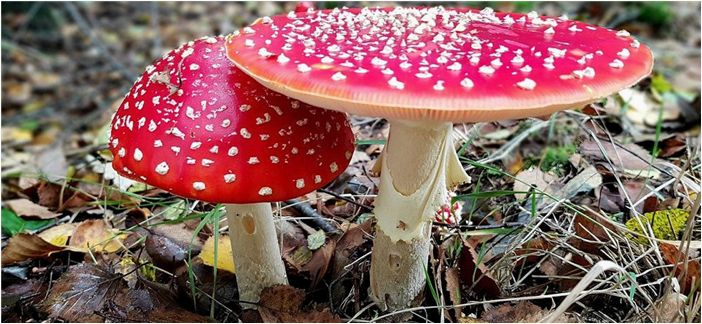
If a person is not an expert, they will not be able to find a type of fly agaric that is not so dangerous. And even if they do find such a mushroom, they must know how to prepare it in several stages. It is not recommended to try a fly agaric just to satisfy the desire to taste it. Such a tasting can lead to serious problems.
Typical symptoms after ingestion:
- Vomiting occurs within 6–24 hours, depending on the species consumed, but cannot be stopped. Pain, diarrhea, and intestinal dehydration;
- Blood pressure drops, and the patient may lose consciousness. Due to acute cardiovascular failure, life and death are at stake. The consequences are often dire—death;
- Symptoms may not appear for a long time. Meanwhile, the body is being damaged.
At some point, a “false sense of well-being” sets in: the internal organs are being destroyed, while on the outside everything seems fine. Death may occur within ten days of poisoning.
Health Benefits of Toadstools
No matter how much is said about the toxic properties of mushrooms, they continue to be used in traditional and folk medicine. Fly agarics have many beneficial properties. The substances contained in fly agarics are found in many medicines. They help treat many diseases. The effects of these mushrooms are helpful for the following conditions.
- Epileptic seizures;
- Sclerosis;
- Problems;
- For example, in the nervous system, such as overexcitability.
With the help of special preparations, one can treat inflammation of internal organs and sleep disorders; many components found in Fly Agaric possess antibiotic properties. Thus, they dissolve blood clots and combat bacteria.
Mushroom-based foods alleviate disorders of the central nervous system and treat neuralgia, osteochondrosis, etc. Tinctures made from the red fly agaric possess many healing properties and treat respiratory diseases. Of course, it does not cure tuberculosis, but it does alleviate the severity of the disease.
Benefits of Toadstools for Animals
Many animals are attracted by the bright colors of mushrooms, yet they cannot tolerate their taste. The following are considered the most unique inhabitants of the forest.
Fortunately for them, the poison in the fly agaric is not particularly dangerous, and some of its properties are entirely medicinal. They help eliminate parasites living in the body.
Microdosing fly agarics
Many people practice microdosing red Amanita muscaria. Microdosing involves taking a specific dose of the mushroom throughout the day. Some sources indicate that the dose ranges from 0.5 to 1 gram per day, while others state that no more than 3 grams should be taken daily. It is believed that the beneficial properties of fly agaric are best manifested through microdosing. If we take the optimal dosage from this, it comes out to about 1–1.5 grams. For people without hypersensitivity, this dosage is safe.
Benefits of microdosing
Depression, low mood, insomnia—you can forget about all the rest forever thanks to the beneficial properties of phlegaric. In addition, many claim that after taking microdoses, they forget about smoking and alcohol. People become more resilient to stress. It helps cope with any stress.
- Normal state. We run a red light, and a thought pops into my head. I broke the law, and if there’s a camera here, I feel better than if I had to pay a fine. The information keeps going round and round in my head, and a sense of guilt sets in;
- State after microdosing. We ran a red light. The thoughts in my head are almost the same. I committed an offense, I’m at fault, I’ll pay the fine and be more careful. I start thinking about something else.
Experience: mundane obstacles disappear, and a cool calculation takes over. Energy emerges, and people become focused.
With the help of microdosing, a person learns to live positively and sees the good in everything. Gradually, a sense of calm emerges, and anxiety and disappointment fade away. The brain learns to generate new ways to satisfy unmet needs.
The main benefits that can be noticed after taking microdoses:
- Increased energy levels and self-confidence;
- Increased strength and endurance;
- Helps break harmful habits;
- Improved sleep;
- Prevention of bacterial and viral diseases;
- Relief from symptoms of depression and anxiety.
After a week or two in the hospital, your body starts to improve. If something hurts, you no longer need to take painkillers. Microdoses and antibacterial properties.
Where to get fly agarics for microdosing?
For microscope slides, it is recommended to collect and dry fly agaric mushrooms yourself. However, this isn’t always possible for everyone. You shouldn’t buy mushrooms in “capsules.” There’s no guarantee that there’s anything in them besides dust. Real, high-quality caps are a different matter. If you do decide to buy them, make sure the expiration date is no more than one year.
Contraindications
In cases of absolute contraindications, red fly agaric must not be taken in any form, for example, during pregnancy, breastfeeding, etc. Giving mushrooms to children under 18 is strictly prohibited!
When using preparations based on the fly agaric, you must first and foremost pay close attention to the dosage. Observe personal hygiene rules and do not handle the mushrooms with bare hands. In case of accidental contact, wash with soap. Do not allow toxic substances to come into contact with mucous membranes, wounds, or open areas of skin.
Traditional medicine recipes for various ailments
There are many ways to use mushrooms. However, before ingesting them or using them topically, you must ensure there are no contraindications and understand all their properties.
Use in cosmetology
The red fly agaric has found applications in the beauty industry. Let’s take a look at its beneficial properties. Polysaccharides, which play a role in cellular rejuvenation, improve the condition of the dermis. After treatment, the skin looks better, its tone evens out, and expression lines are smoothed out.
Creams containing fly agaric extract help eliminate stretch marks and skin conditions. Mushroom oil is beneficial, as it contains a range of amino acids that stimulate the natural production of collagen. This component is responsible for the skin’s youthfulness and elasticity.
Many fly agaric extracts are mixed with citrus oils. This combination helps restore and improve metabolism and blood circulation. The mixture is used in massage to relax and relieve tension. This procedure is effective for people who exercise.
If cracks have appeared on your feet, this cream will help. Under its influence, the skin becomes softer, and the healing process is accelerated.
Household uses
This is perhaps the first area where the fly agaric found its use. Our ancestors used it to combat insects. Observant people realized that when the surface was damp, insects would fall onto it and die. However, it was later proven that these were merely drones, and after “rescuing” themselves, they would wake up and fly away.
To get rid of flies, mosquitoes, and other insects. Cut open a fly agaric mushroom, fill it with water or milk, place it on a windowsill, and cover it with a damp piece of paper. As soon as the insects try to drink the liquid, they will die quickly. The toxic substances leave them no chance of survival.
Vodka tincture recipes for joints
The raw materials are used to prepare ointments, tinctures, and decoctions. Alcohol-based preparations are the most effective and allow for the fullest use of the fly agaric’s healing properties. First, the poison is neutralized; second, the preparation process is quick and inexpensive; and third, the therapeutic effect is good. The most popular recipe:
- Cut the fly agaric into small pieces and place them in the refrigerator or another cool place for three days. Transfer the pieces to a jar and fill it 2/3 full with alcohol or vodka. The liquid level should be 1 cm above the mushrooms. Cover and store in a pantry for 2 weeks;
- Chop the caps, transfer to jars, and cover with vodka in a 1:1 ratio. Let stand for 40 days at room temperature. Strain before use;
- Chop the fly agaric, transfer to a glass container, cover, and store in a cool place for one month. Strain, discard the mushrooms, and keep the infused liquid. It is commonly used to treat joint pain;
- Rinse the mushrooms and squeeze them through cheesecloth into a glass container; add an equal amount of vodka to the mushrooms. The tincture is used for rubbing and compresses.
If there are any contraindications, the use of these mushrooms is prohibited, despite their healing properties.
Fly agaric for dermatitis
Healers have used various methods based on the properties of the fly agaric to treat skin diseases. To prepare medicinal tinctures, collect up to five mushrooms. Finely chop them (while wearing gloves) and place them at the bottom of a one-liter jar. Cover the container and place it in a warm, dark place for 3 days. On the fourth day, the mushrooms release their juice 1 cm above the raw material and are covered with vodka. The infusion period is 3 weeks.
Wipe the affected areas with the prepared remedy. Do not apply to large areas. Otherwise, an allergic reaction may occur.
Varicose veins
Thanks to its many beneficial properties, the flagellarium mushroom is effective for treating varicose veins. As in the previous case, chop up five mushrooms and place them in a dark place for three days to extract the juice. Strain the juice, squeeze out the liquid, and transfer the pulp to another container. Dilute the juice with vodka in a 1:1 ratio. Wipe the affected area with the prepared solution once a day and secure it with an elastic bandage. Shelf life: up to 4 days. Dilute with vodka only before use.
How to take the medicine orally
This effective remedy helps with gastrointestinal disorders, high blood pressure, and diabetes. Treatment regimen:
- The alcohol tincture is taken orally. Take the tincture 3 times a day, 15 minutes before meals. The dosage is reduced each day; take for up to 20 days. After that, the dose is reduced daily. If symptoms recur, discontinue treatment;
- The tincture is taken in the morning, 1/2 tsp. Immediately after taking it, it is recommended to let the mummy dissolve in the mouth along with the granules.
Do not exceed the dosage on your own. If you feel unwell, stop treatment immediately and seek medical attention.
External use
As mentioned above, preparations containing freyagar can be helpful, including for sore joints. Moisten a cotton swab and apply it to the painful areas. Other available methods:
- Compress. Soak gauze or a natural cloth, wring it out, and place it on the affected area. Cover with a plastic bag and a woolen scarf. Leave the compress on for one hour. Once removed, rinse the skin;
- Ointment. Use dried or fresh fly agaric leaves. Ointment made from dried mushrooms has a long shelf life. Grind the leaves into a paste and add petroleum jelly to form a thick paste.
As for the alcohol tincture, it has anticonvulsant, analgesic, and anti-inflammatory effects. This remedy is beneficial for many ailments and must be used correctly.
For osteochondrosis
The healing properties of the fly agaric allow it to be used for problems with the spine and joints. Compresses can help with osteochondrosis and other problems related to the spine and joints. To relieve pain, rub the tincture into the affected area. The compress is most effective after taking a warm bath. Moisten a cloth, apply it to the affected area, and cover it with plastic wrap and a warm cloth.
Leave it on for an hour, then remove it and rinse with warm water. You should start seeing positive results within a few days. The treatment period is 1 week. Repeat after a short break.
How to properly collect, prepare, and store fly agaric
My grandparents used the fly agaric to eliminate insects and treat many illnesses. However, for the mushroom to exhibit its medicinal properties, it must be properly harvested, prepared, and dried.
The main distinguishing feature of the fly agaric is the ring on the stem. You should and can pick:
- Small but mature mushrooms that are fully developed and undamaged;
- Worm-eaten or damaged fly agarics should not be eaten;
- Ensure the cap is intact;
- For drying, it is best to use the caps; while the stems contain medicinal substances, there are few of them, if any at all.
If drying mushrooms is too much trouble or you are afraid of doing something wrong, you can buy ready-made fly agarics.
To preserve mushrooms at home, you need to ensure they are stored properly to retain the fly agaric’s medicinal properties. The best method is drying. Like other mushrooms, the fly agaric contains a lot of moisture. Additionally, drying the fly agaric makes it ready for use in just a few hours. The gills stick together. During the drying process, moisture is lost, and they can be stored for a long time. The appearance becomes unappealing, the colors darken, and the smells change on the wrinkled surfaces.
The smell often resembles that of a common mushroom. According to experts, this depends on the area where specimens of this species were collected and grown. It is advisable to sort everything before drying. The caps are split in half so that any worms can be detected.
Before preparing a medicinal potion, the mushrooms are chopped into small pieces. At this stage, it doesn’t matter how they were dried, or more precisely, how they were cut. What matters most is not their appearance, but their medicinal properties. After drying, their weight decreases by a factor of 100. If the mushrooms were originally champignons, the yield will be less than 10 grams.
Recommended drying temperature
Home conditions are suitable for drying mushrooms. All you need is a small electric stove. Thread the mushrooms onto a piece of string and place them on the stove. You can dry fly agaric mushrooms in the shade, provided there is a breeze and the temperature does not exceed 30°C. This is the only way to preserve their beneficial properties. However, all this information comes from people who lack sufficient experience. In fact, it has been proven that drying in the shade spoils the mushrooms and renders them unusable.
To ensure proper and safe drying, it is essential to promote moisture removal. The mushrooms must be completely dry and firm. The recommended temperature is around 50 degrees Celsius. It should not exceed this.
What dried fly agarics look like
The main requirement is that the mushrooms must be dry across their entire surface. There should be no damp spots. If they do not dry out, mold, rot, and an unpleasant odor will develop. A fully dried fly agaric is light in color and has a uniform surface. The gills are smooth on the inside.
What dried fly agarics smell like
The smell depends on where the fly agaric grew and where it was harvested. However, much depends on weather conditions: mushrooms grown in the same area may smell differently, and, as expected, may have an antibiotic-like odor.
Dried fly agaric and dried edible mushrooms have different smells. This is influenced by the location and storage conditions. Another factor is whether the fly agaric can release spores. In dry weather, this happens sooner. A sign of this is the presence of white spores around it.
Fresh fly agaric stems are very rarely used for oral consumption. They must be dried first, otherwise poisoning is possible.
Other drying methods
If you can’t dry the mushrooms using the methods described above, you can use an oven. Remove any sand, pine needles, and other debris from the mushrooms. Do not wash them, as this will cause excess moisture to accumulate. Place the prepared mushrooms on a rack. Do not use a baking sheet, as the moisture that forms will ruin everything.
The minimum starting temperature is 50 °C. After a few hours, when the top part has dried out, raise the temperature to 70 °C. After a few more hours, lower it back to 50 °C and let them dry for another 2 hours. The oven door should be left slightly ajar, about the width of a palm. This will help ensure proper ventilation. Once the mushrooms become brittle, the “process” is complete.
As soon as the sun warms up outside, the fly agaric mushrooms can be dried. The mushrooms are strung on threads, leaving a small gap between them. To protect them from flies, they are covered with cheesecloth; a week passes, and everything is ready!
Interesting facts and myths
The Fly Agaric has been known for a long time, but it’s no surprise that there are many legends and myths surrounding it. Many people are unaware of the incredible and the useless:
- Mushrooms are deadly dangerous. This is partly true, but not entirely. Experts claim that the fly agaric contains fewer toxins than the death cap. The lethal dose is 3 kilograms. A person weighing 75 kilograms needs to consume just one mushroom to show signs of poisoning;
- The Norse Vikings had berserkers. Warriors with a combative nature, they showed no mercy to their enemies in battle. It is known that mushrooms eaten the day before gave them strength;
- Scientists have refuted the insecticidal properties of the fly agaric. It has been proven that flies do not die after drinking the water, but only after they become its hosts. Moreover, remove a dead fly, and it will wake up and fly again;
- Even if the fly agaric is boiled several times, it remains poisonous, but not very dangerous;
- The Altai people insisted on having the fly agaric listed in the Red Book. This has not yet been done;
- Hunters believe in this superstition. If you come across a black fly agaric mushroom on your way, expect trouble.
The fly agaric mushroom is incredibly beautiful! If it is not being used for medicinal purposes, leave it alone and keep quiet. Admire nature’s creation and move on.
Where to buy fly agarics and how much they cost
There are many places where you can buy fly agaric mushrooms. These include online retailers, local stores, and experienced mushroom pickers who sell both fresh and preserved mushrooms. However, if you have any doubts about the seller’s integrity or the quality of the mushrooms, do not make the purchase.
Remember that before placing an order, you must review the documentation confirming the quality of the mushrooms. If the store does not have a license or certificate, do not trust it.
Conclusion
The red fly agaric is a beautiful and remarkable mushroom. The red fly agaric possesses many beneficial properties. Improper use can lead to death. To avoid poisoning and harm to your body, follow the dosage instructions. Follow your doctor’s recommendations. Pregnant women, nursing mothers, and individuals with an intolerance should not use fly agaric for treatment. The red variety is also contraindicated for children under 16 years of age. Otherwise, follow the instructions and prescription exactly. With a little patience and time, you will begin to see positive results. Pain, inflammation, and mood swings will disappear without a trace.
This website provides information for reference purposes only, and solely for educational purposes. Only a doctor can make a diagnosis and prescribe appropriate treatment! Due to contraindications and side effects, medications and folk remedies should only be prescribed by specialists! It is absolutely essential to consult qualified specialists!